Local
UC Davis lighting research now being harnessed to reduce stress
A Roundtable is a way to meet new people and discuss this article in person at a local coffee shop or other venue.
Roundtables are designed for groups of four, with a shared subject and room for everyone to speak. Come for discussion, with no dating expectation.
Source: KCRA
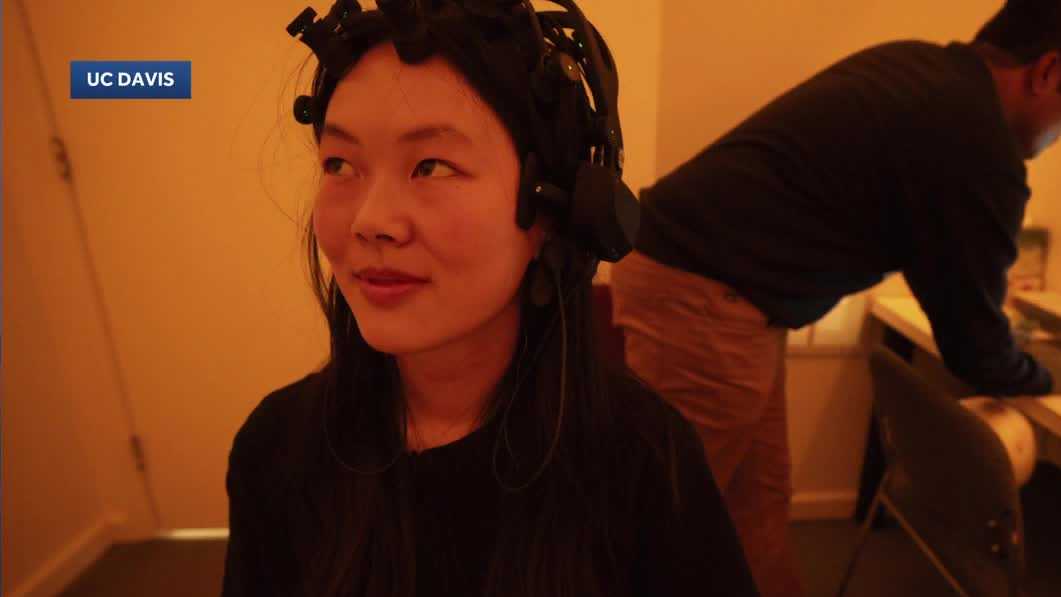
Researchers at the UC Davis California Lighting Technology Center are studying how lighting affects stress and emotions, with their findings now beginning to influence designs in cars, hospitals, and homes. Veronica Then, the digital communications specialist for the center, explained the study on California Tonight. She told Host Edie Lambert the project began when UCD researchers were approached by Toyota to test whether changes in interior lighting could impact the stress levels of people riding in autonomous vehicles. "The car company and the researchers at our center wanted to see if there was a relationship between lighting and emotions," Then explained. The team brought in researchers from the Center for Mind and Brain to design the experiment. First, they had to create stress for participants. They were led into what Then described as a "stress lab," a dark and unsettling room. "I had to stand in front of a panel of judges who were just blankly staring at me silently.
This excerpt comes from the named source. Read the original for the full reporting.
Read the original at KCRA