Local
UGA Grads Opening Coffee Shop and Roastery in Statham
A Roundtable is a way to meet new people and discuss this article in person at a local coffee shop or other venue.
Roundtables are designed for groups of four, with a shared subject and room for everyone to speak. Come for discussion, with no dating expectation.
Source: Business Debut
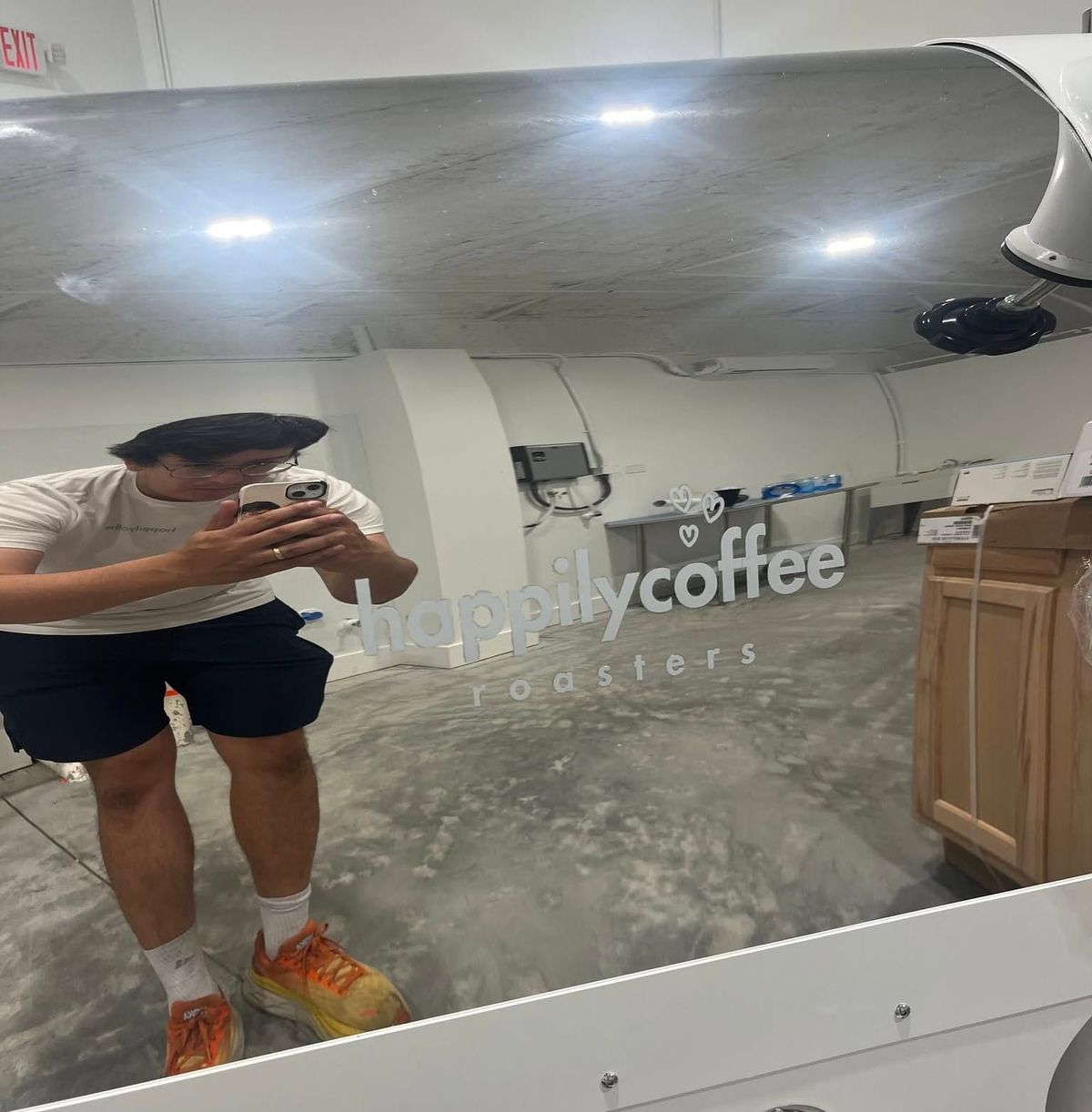
STATHAM, GA – Happily Coffee Roasters is preparing to open its first brick-and-mortar coffee shop and roasting space around the first week of December at 1848 High Green Dr Suite A, Statham, GA 30666, owner Zack Adam told Business Debut in a phone interview. He and his wife Emily Adam run the business together. What to Expect The new shop will combine a full cafe with an in-house roasting operation. The roastery will be in clear view of customers placing orders for drinks. In addition to the roasting operation, the shop will provide a "third place" for people to sit, work, relax and hang out with friends. Adam said he wants a productive atmosphere where people can linger over what he calls "slow coffee" and engage with the full experience of their drink. Happily Coffee will sell bags of coffee from their shop as well. Plans for seasonal drinks around the holidays are in place as well. Happily Coffee is also committed to supporting charitable causes from sales of the bagged coffee.
This excerpt comes from the named source. Read the original for the full reporting.
Read the original at Business Debut


