Local
UGS hears proposals for formerly incarcerated student support, debates $2.5 million student investment fund
A Roundtable is a way to meet new people and discuss this article in person at a local coffee shop or other venue.
Roundtables are designed for groups of four, with a shared subject and room for everyone to speak. Come for discussion, with no dating expectation.
Source: The Stanford Daily
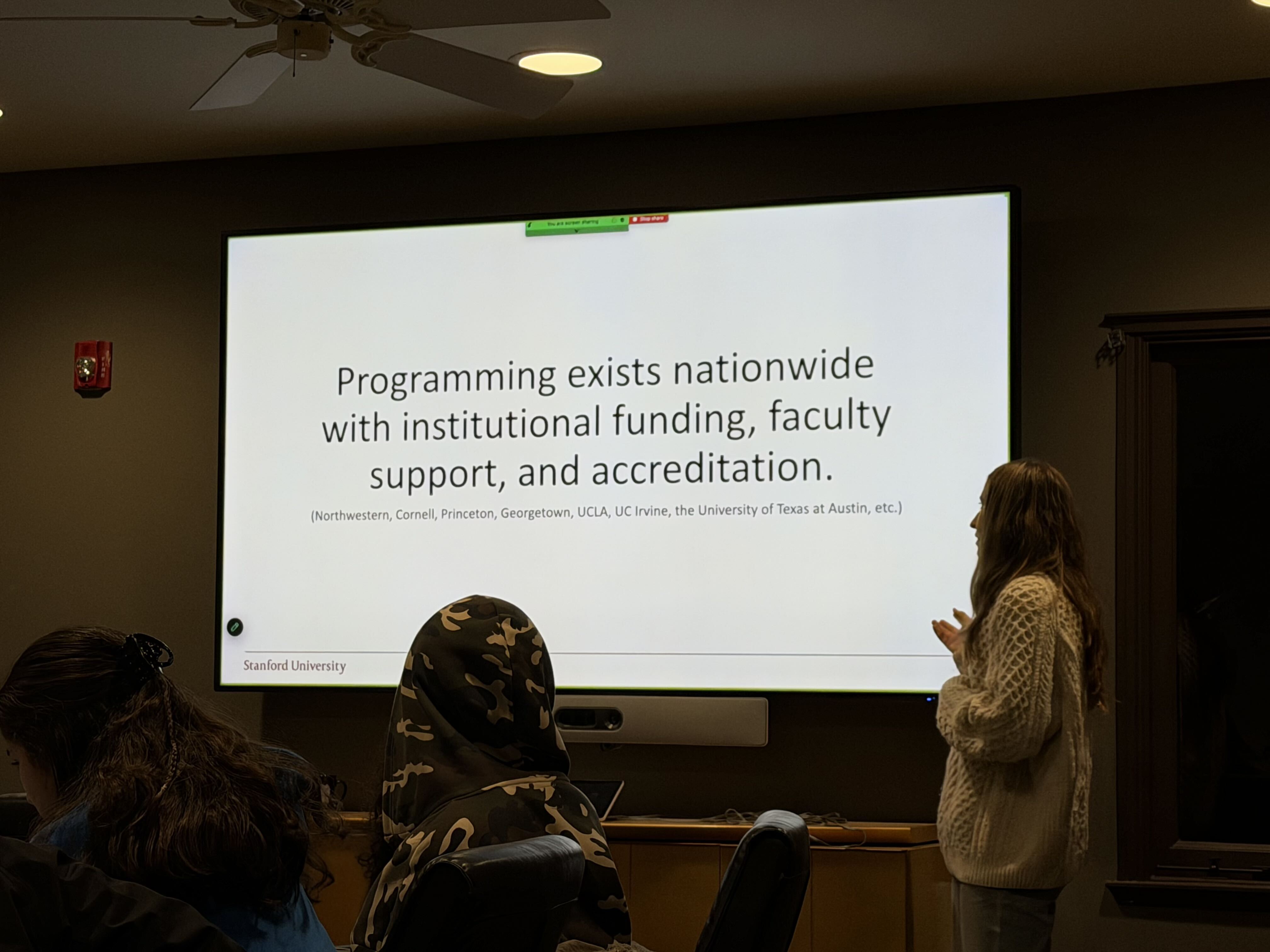
The Undergraduate Senate (UGS) heard a proposal to expand support for formerly incarcerated individuals and debated a separate proposal to establish a $2.5 million student investment fund at its final meeting of the quarter Wednesday night. Members of the Senate considered creating an on-campus support network, potentially including mentorship, transportation, academic assistance and integrated community events for previously incarcerated students The initiative would require faculty leadership and funding, presenters said. The presentation was made by Communications Committee co-chair Ashton Dolce ’29, Financial Officer and Undergraduate Lead for the Stanford Jail and Prison Education Program (SJPEP) Nandita Talluri ’29 and Senator Esther Pottebaum ’27 presented the proposal for formerly incarcerated students. They argued that building a community for formerly incarcerated and system-impacted students should precede efforts to recruit them to Stanford, though both are important.
This excerpt comes from the named source. Read the original for the full reporting.
Read the original at The Stanford Daily