Local
UMaine named in federal racial discrimination complaint
A Roundtable is a way to meet new people and discuss this article in person at a local coffee shop or other venue.
Roundtables are designed for groups of four, with a shared subject and room for everyone to speak. Come for discussion, with no dating expectation.
Source: The Maine Campus
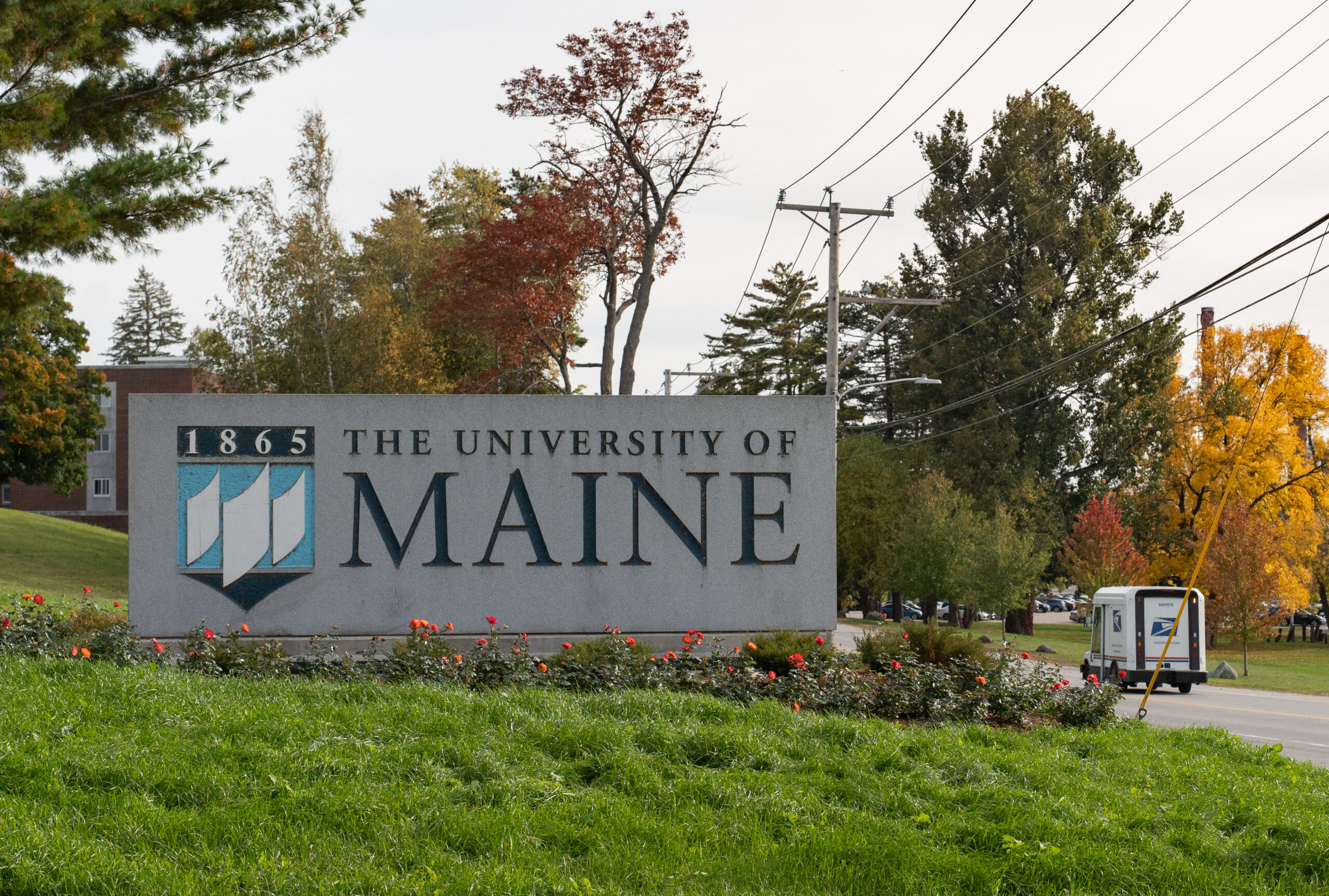
On Nov. 12, a conservative nonprofit group called the Equal Protection Project (EPP) filed a federal civil rights complaint with the U.S. Department of Justice against the University of Maine and 29 other institutions. The group alleges that the schools implicated in the complaint may be violating federal civil rights law by participating in the Institute for Recruitment of Teachers (IRT), a diversity-focused initiative that increases graduate opportunities for aspiring educators. The IRT is a program that connects “underserved and underrepresented future educators” with graduate resources. Founded in 1990 by former Phillips Academy Dean of Faculty Kelly Wise, their mission is to increase minority representation in American education. According to News Center Maine, the program is 93% comprised of students of color. The EPP’s complaint claims that schools who are involved with the IRT may be using the program to provide preferential treatment to college applicants based on race.
This excerpt comes from the named source. Read the original for the full reporting.
Read the original at The Maine Campus


