Local
UMaine Wilde Stein hosts candlelight vigil for Transgender Day of Remembrance
A Roundtable is a way to meet new people and discuss this article in person at a local coffee shop or other venue.
Roundtables are designed for groups of four, with a shared subject and room for everyone to speak. Come for discussion, with no dating expectation.
Source: The Maine Campus
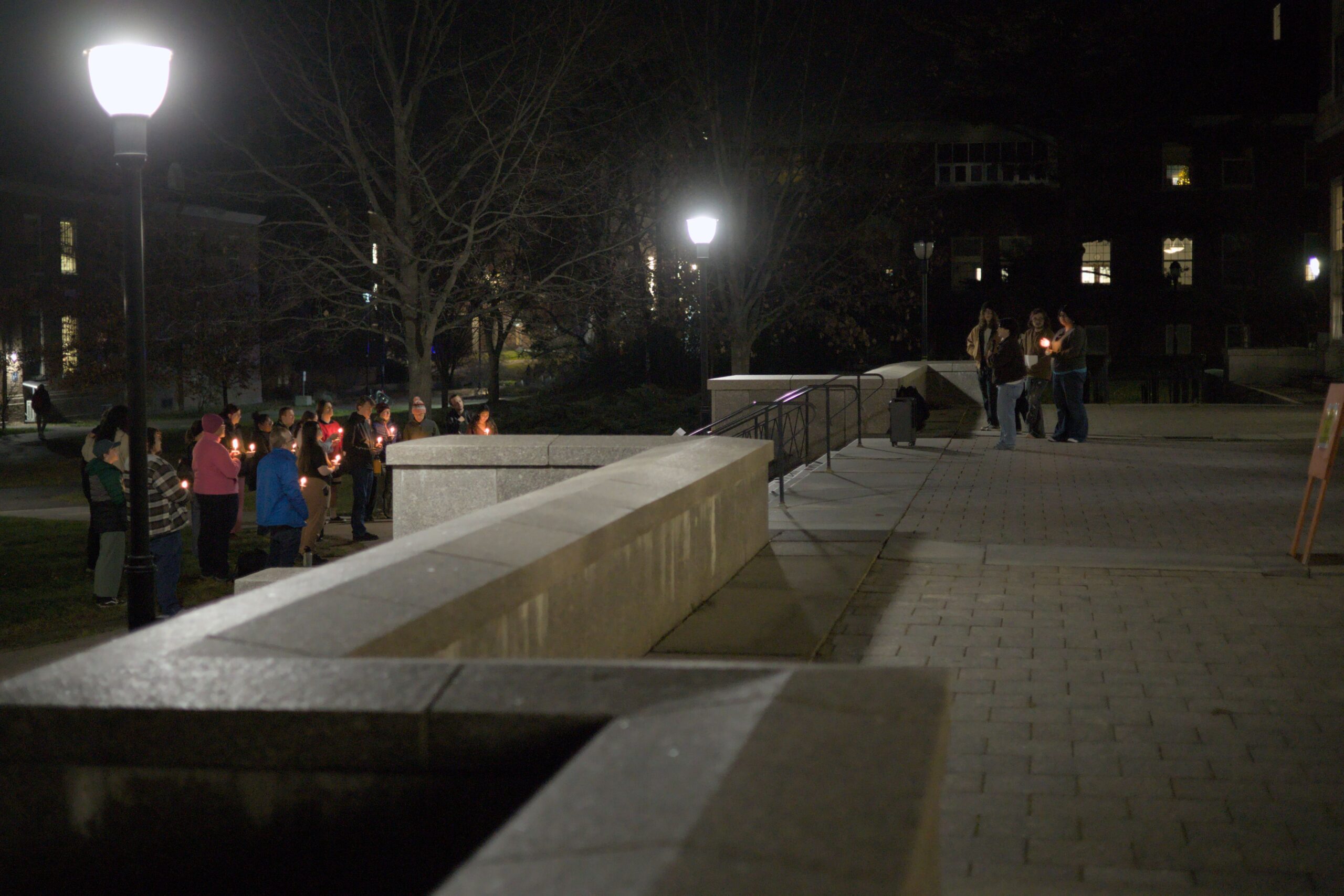
At 7 p.m. on Friday, Nov. 20, a group gathered on the steps of Fogler Library, candles in hand, for a vigil hosted by the University of Maine’s Wilde Stein club. Those in attendance came to mourn the loss of transgender individuals who died this year, including Julien Nadeau, a 21-year-old stabbed to death in Portland on Aug. 5, 2026. The Trans Remembrance Project has documented 28 known murders and 21 suicides across the U.S. this year. Wilde Stein has been holding Trans Day of Remembrance gatherings since at least 2015, but the observance itself goes back much further. Trans Day of Remembrance was started in 1999 by Gwendolyn Ann Smith as a way to commemorate the death of Rita Hester, a Black trans woman who was stabbed to death in Boston on Nov. 28, 1998, in a case that remains unsolved. Since then, the annual observance has taken place every year on Nov. 20, to honor transgender people who have died as a result of violence. At the event, several people gave speeches.
This excerpt comes from the named source. Read the original for the full reporting.
Read the original at The Maine Campus


