Local
Un año de la ley de los archivos de Epstein: lo que dicen las víctimas
A Roundtable is a way to meet new people and discuss this article in person at a local coffee shop or other venue.
Roundtables are designed for groups of four, with a shared subject and room for everyone to speak. Come for discussion, with no dating expectation.
Source: El Tiempo Latino
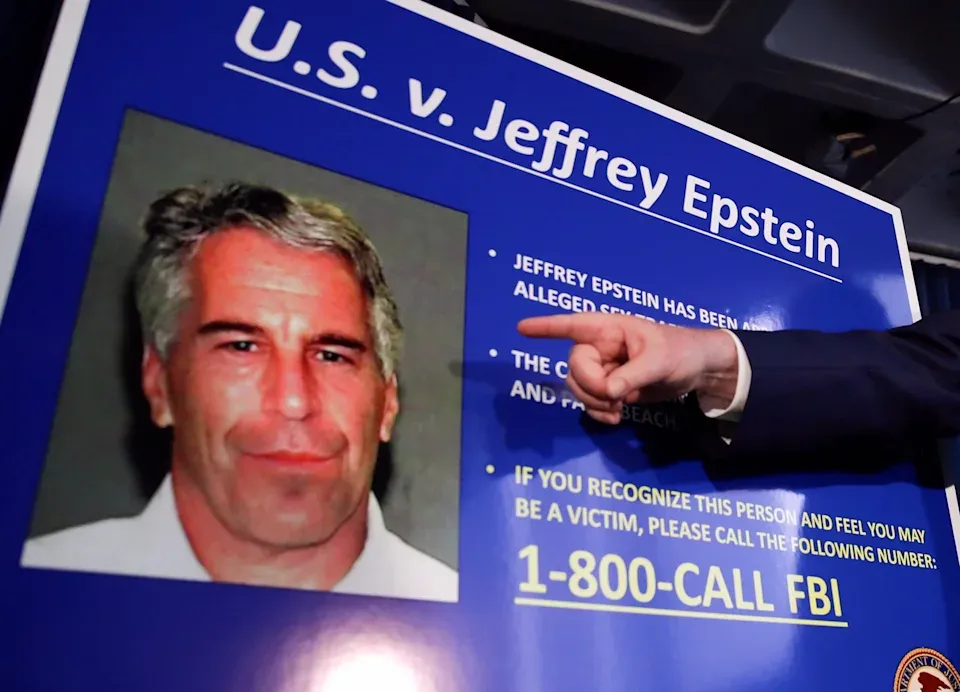
Se cumplió un año desde que la Cámara de Representantes aprobó la Ley de Transparencia de los Archivos de Epstein, que obligó al Departamento de Justicia a divulgar millones de archivos sobre el delincuente sexual condenado Jeffrey Epstein. Dos sobrevivientes y una familiar de otra hablaron en una entrevista sobre lo que cambió. Annie Farmer dijo que el momento de alegría que recuerda del año fue el día en que se publicaron los archivos. Dani Bensky afirmó que en esos archivos hay más de mil niñas y mujeres que fueron abusadas. Amanda Roberts, cuñada de Virginia Giuffre, una de las acusadoras más conocidas de Epstein, que falleció el año pasado, dijo que existe un enorme deseo de justicia en el país y que, si se mantiene el impulso, habrá rendición de cuentas real para todos los abusadores. Farmer expresó su esperanza de un futuro en el que no tenga que volver a pronunciar los nombres de Epstein y Ghislaine Maxwell.
This excerpt comes from the named source. Read the original for the full reporting.
Read the original at El Tiempo Latino