Local
University launches project to develop predictive models of the brain
Meet in Common connects news with real conversations. Use ThinkMatch to arrange a Roundtable and meet people to discuss this story.
Source: The Stanford Daily
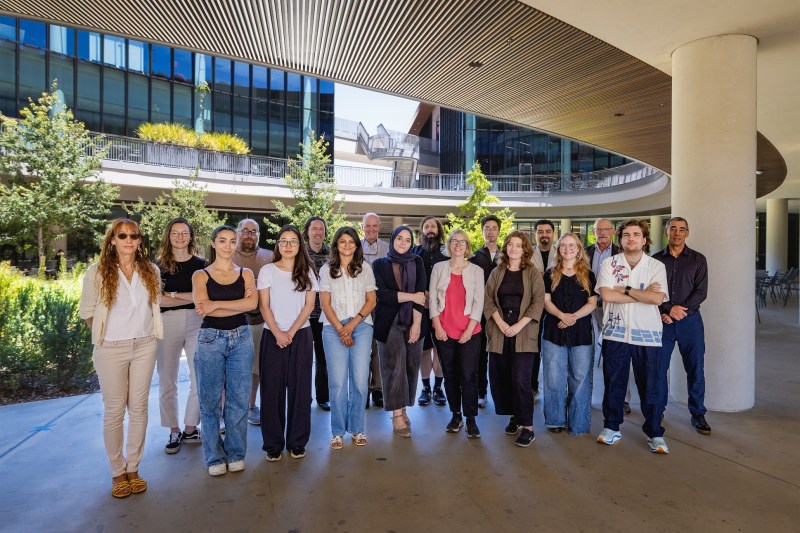
The Stanford Wu Tsai Neurosciences Institute launched a university-wide effort on Nov. 2 to develop brain imaging technologies and computational models that will illustrate human brain activity. The initiative, known as the Stanford Digital Brain Project, aims to produce data and use it to train foundation AI models for future theoretical and clinical research in neuroscience. “This visionary project is exactly the kind of ambitious, collaborative science that Stanford is singularly positioned to undertake,” University President Jonathan Levin ’94 told the Stanford Report. To predict and theorize clinical diagnosis and treatment without using actual people, “[the initiative] requires a lot of concerted effort, from physicists and cognitive scientists to computer scientists,” said Seda Akibiyik, a postdoctoral scholar involved with the project’s data collection in the psychology department’s Vision and Perception Neuroscience Lab.
This excerpt comes from the named source. Read the original for the full reporting.
Read the original at The Stanford Daily