Local
University’s master’s degree enrollment defies national decline
Meet in Common connects news with real conversations. Use ThinkMatch to arrange a Roundtable and meet people to discuss this story.
Source: The Stanford Daily
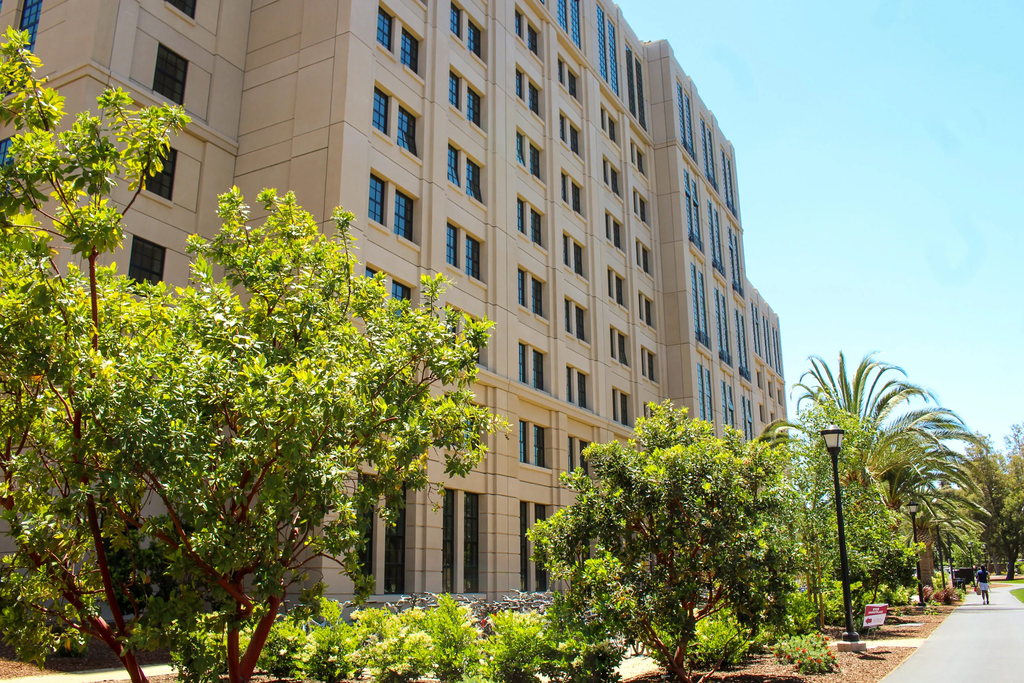
Master’s program enrollment fell 3.7% nationwide from 2025 to 2026, according to preliminary data from the National Student Clearinghouse Research Center (the Clearinghouse), but Stanford’s most recent data points the other way. Master’s enrollment at Stanford rose from 3,276 students in 2024 to 3,398 in 2025, a 3.7% gain, according to data from the Office of Institutional Research and Decision Support (IR&DS). That figure is up 18% since autumn 2021. The University’s 2026 data has yet to be released. The Clearinghouse research, published on Thursday, found total postsecondary enrollment roughly equal from fall 2025 to fall 2026. Undergraduate enrollment grew 0.6%, down from 2.4% growth from the previous year, while graduate enrollment fell 1.6%. Doctoral programs held close to steady (-0.5%). The master’s decline drove the graduate drop, and it is accelerating: master’s numbers slipped just 0.4% in 2025 from 2024. Stanford’s growth in postsecondary degrees came from U.S. students.
This excerpt comes from the named source. Read the original for the full reporting.
Read the original at The Stanford Daily