Local
Unseasonably warm temperatures may break nearly century-old record high
A Roundtable is a way to meet new people and discuss this article in person at a local coffee shop or other venue.
Roundtables are designed for groups of four, with a shared subject and room for everyone to speak. Come for discussion, with no dating expectation.
Source: Chicago Sun-Times
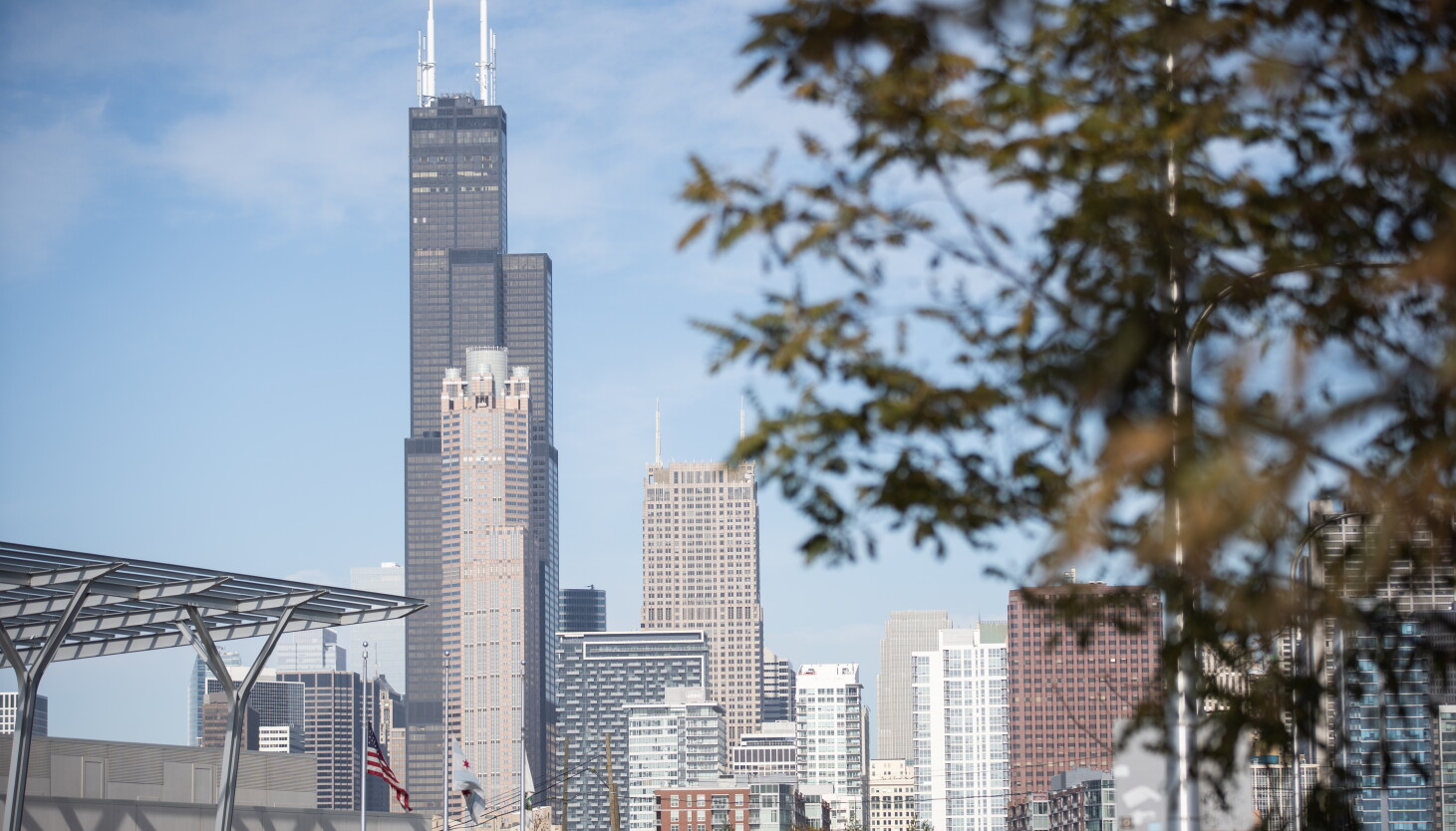
The last time it was this warm in Chicago on Nov. 20, the Shedd Aquarium and Alder Planetarium had only been open for a few months. Nearly a century later, the projected high for Friday is expected to tie the record high of 68 degrees set in 1930 — and forecasters say there's a chance Friday's temperatures surpass the record. "It's certainly possible, I can't rule that out," said Kevin Birk, a meteorologist with the National Weather Service. "We may eclipse that record here this afternoon." The stretch of warmer temperatures have been driven by a warm pattern that by be influenced by a ongoing strong El Niño conditions, according to Birk. The unseasonable warmth won't last much longer, though. Saturday's high is expected to be 68 degrees before a cold front bringing cooler temperatures and a chance of rain moves in Sunday.
This excerpt comes from the named source. Read the original for the full reporting.
Read the original at Chicago Sun-Times