Local
Uranus will be closer to Earth on November 25: Will it be visible to the naked eye?
A Roundtable is a way to meet new people and discuss this article in person at a local coffee shop or other venue.
Roundtables are designed for groups of four, with a shared subject and room for everyone to speak. Come for discussion, with no dating expectation.
Source: Meteored United States
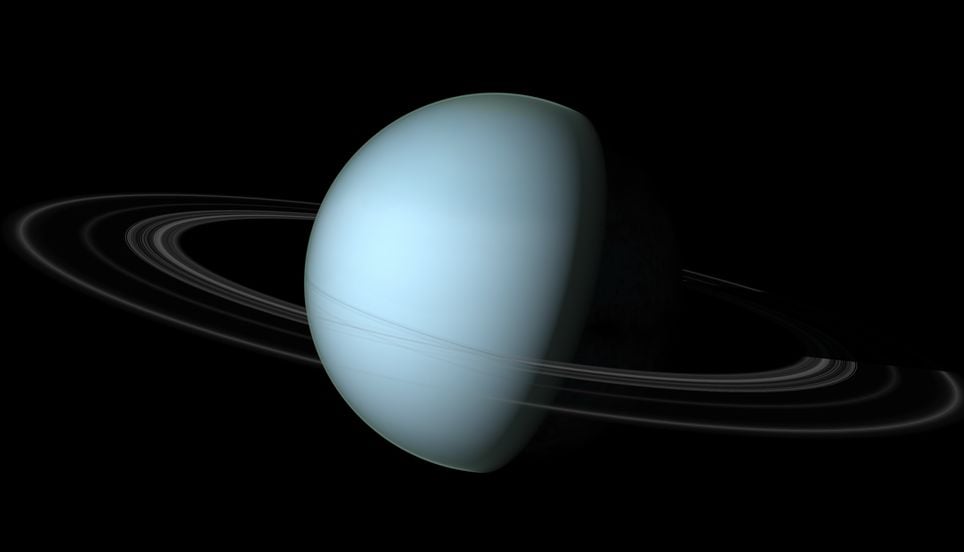
On November 25, Uranus will be closer to Earth and reach its brightest point of the year, offering a great opportunity to observe it. But there's one detail that could make things tricky. Will it be visible to the naked eye? Uranus is the seventh planet in the solar system and one of the most difficult to observe from Earth. It is an ice giant, known for its distinctive blue-green color, located nearly 1.8 billion miles from the Sun. Unlike other planets, such as Venus, Jupiter, or Saturn, its light is so faint that it goes virtually unnoticed in the night sky. But on Wednesday, November 25, Uranus will be in one of its most favorable positions for observation. That day, it will reach opposition, an astronomical event that occurs approximately once a year and places the planet in a particularly favorable position for viewing from Earth. It will be at its closest distance to our planet in 2026, although one detail could make observing it more difficult.
This excerpt comes from the named source. Read the original for the full reporting.
Read the original at Meteored United States


