Local
US Army to detonate degraded bomb-making material in Iowa after getting court approval
A Roundtable is a way to meet new people and discuss this article in person at a local coffee shop or other venue.
Roundtables are designed for groups of four, with a shared subject and room for everyone to speak. Come for discussion, with no dating expectation.
Source: Cortez Journal
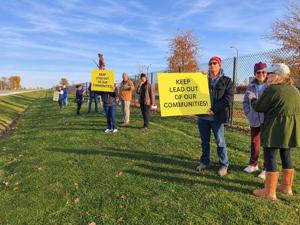
MIDDLETOWN, Iowa (AP) — The U.S. Army plans to detonate bomb-making chemicals in Iowa on Wednesday morning after getting approval from a federal appeals court in a saga that has sowed confusion and included an unusual twist from President Donald Trump. In a statement late Monday, the Army said it’s proceeding with a controlled removal of 68 barrels of lead azide in coordination with state, local and federal authorities. “This is a consensus decision,” acting Army Secretary Adam Telle posted on social media. “Every expert agency agrees, and both Iowa’s current and incoming Governors say the call belongs to the experts.” A three-judge panel of the 8th U.S. Circuit Court of Appeals said earlier Monday that the U.S. Environmental Protection Agency adequately incorporated safeguards in an emergency permit to minimize the dispersal of dust. Those conditions address the concerns of environmental groups that sued to stop the detonation, the court said.
This excerpt comes from the named source. Read the original for the full reporting.
Read the original at Cortez Journal