Local
VA works to provide stable housing for homeless veterans as overall numbers decline
A Roundtable is a way to meet new people and discuss this article in person at a local coffee shop or other venue.
Roundtables are designed for groups of four, with a shared subject and room for everyone to speak. Come for discussion, with no dating expectation.
Source: Navy Times
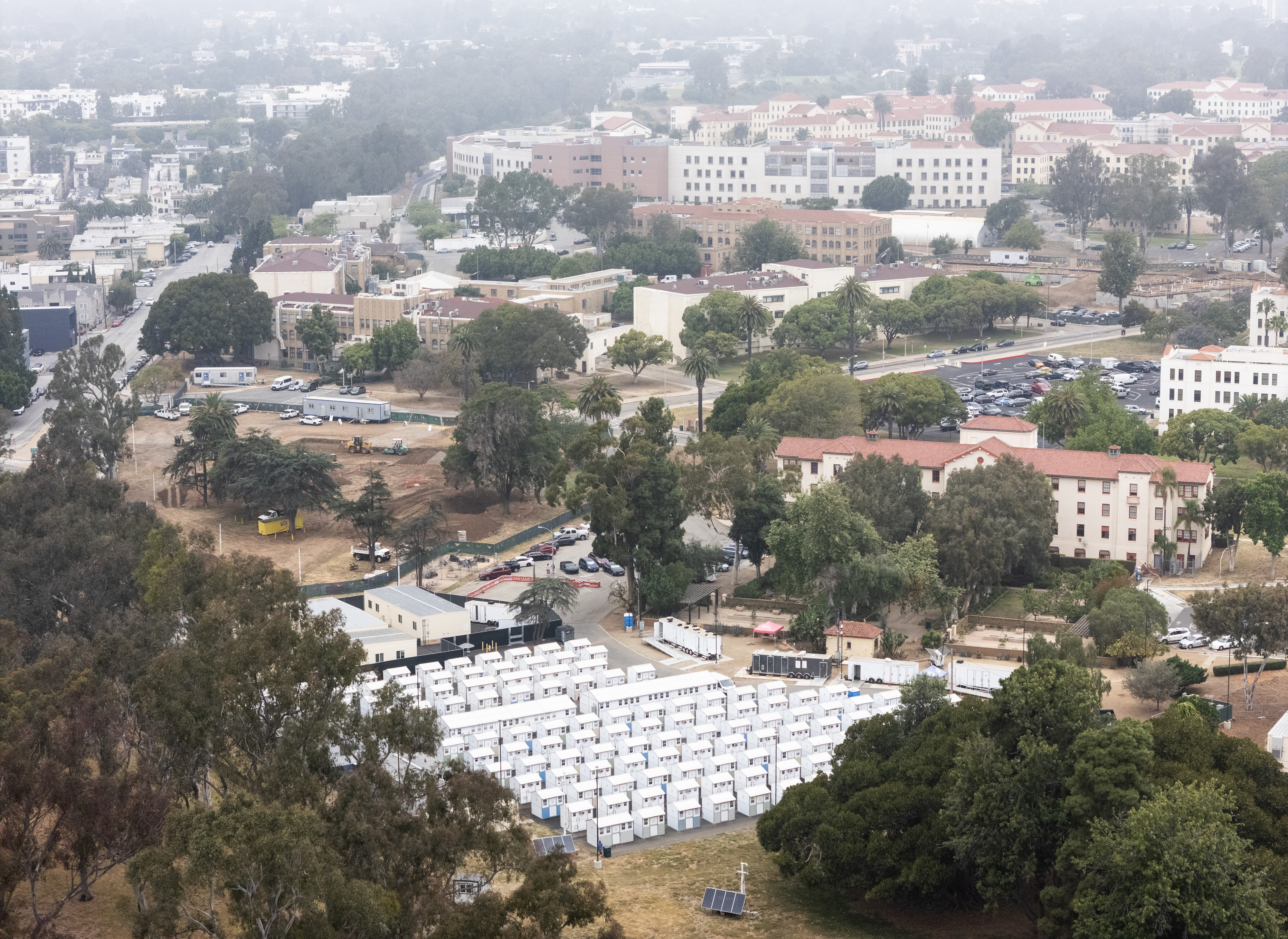
The Department of Veterans Affairs provided stable housing in fiscal 2026 to nearly 49,000 veterans who were homeless or at risk of losing their homes, according to the VA. The figure was lower than the number of veterans housed in fiscal 2025, which was 51,936, but it represents the second-highest number of veterans housed per year since 2019 — the equivalent of about 4,000 veterans moving every month into permanent quarters. In the past decade, the number of homeless veterans in the United States has fallen by nearly 32%. According to the Department of Housing and Urban Development’s annual “Point in Time” count, taken on one night in January 2025, 32,495 veterans were homeless, down by roughly 400 veterans in 2024 and a significant drop from 47,725 homeless veterans in 2016.
This excerpt comes from the named source. Read the original for the full reporting.
Read the original at Navy Times