Local
Vehicle City Voices: Black Women of Flint — Leah Feimster
A Roundtable is a way to meet new people and discuss this article in person at a local coffee shop or other venue.
Roundtables are designed for groups of four, with a shared subject and room for everyone to speak. Come for discussion, with no dating expectation.
Source: Flintside
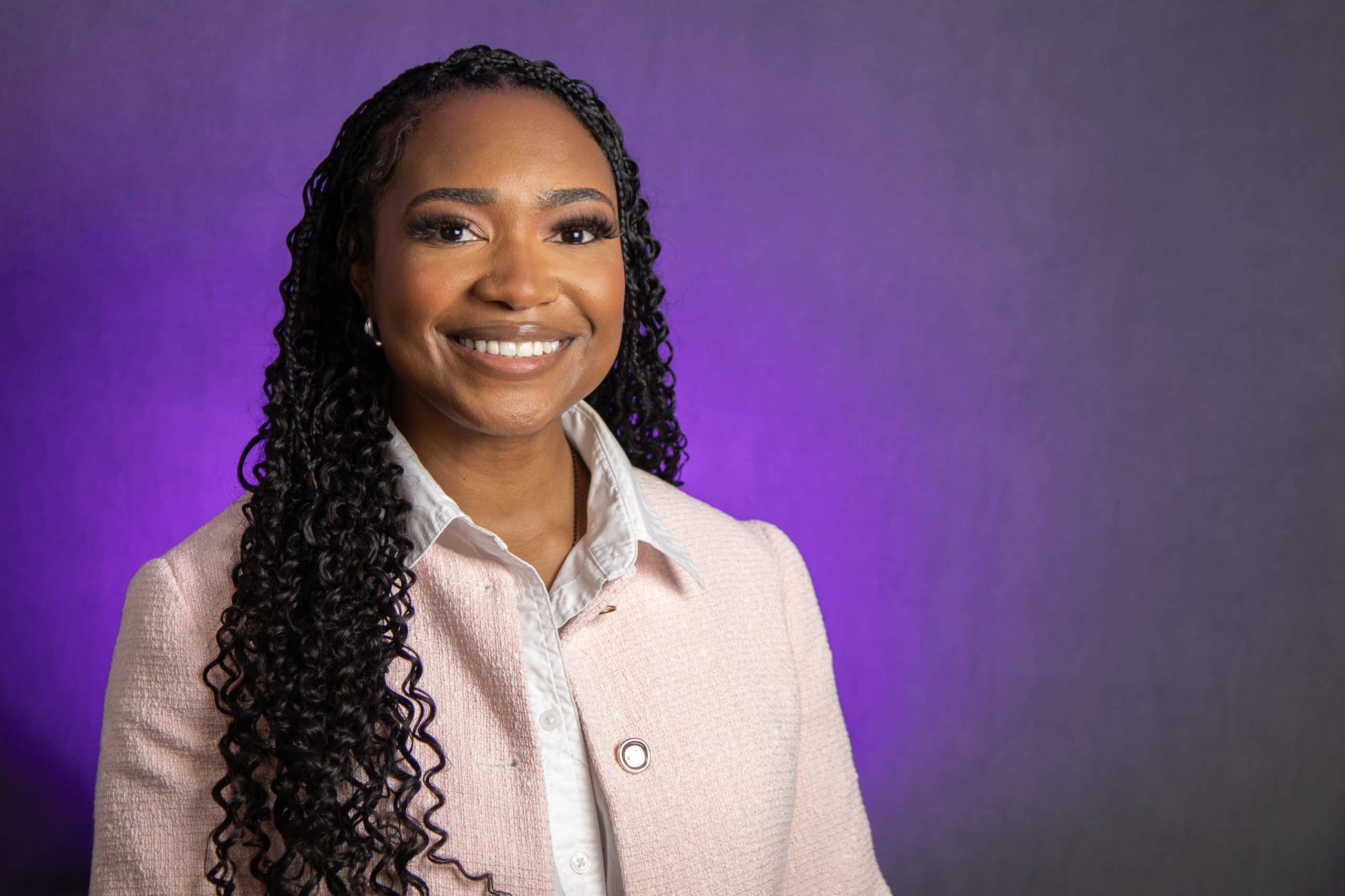
FLINT, Michigan — “A jack of all trades is a master of none” has been a phrase I’ve grown up hearing my entire life from people from a generation who’ve developed a very strong talent for picking one very specific thing and committing to sticking with it until the very end of the line. I still find myself plagued with the same uncomfortable series of questions that many people of my generation have faced. What if I don’t wanna do one thing? What if instead I wanna do all the things? What then? I think it’s for these questions alone that the new generations before us that embrace innovation and change have decided to take it upon themselves to reinvent the above-mentioned quote, which nowadays reads as “A jack of all trades is a master of none, but oftentimes better than a master of one.” A perfect metaphor for someone like Leah Feimster.
This excerpt comes from the named source. Read the original for the full reporting.
Read the original at Flintside