Local
Virginia and DC sue to halt Trump arch construction — The Guardian
A Roundtable is a way to meet new people and discuss this article in person at a local coffee shop or other venue.
Roundtables are designed for groups of four, with a shared subject and room for everyone to speak. Come for discussion, with no dating expectation.
Source: UA.NEWS
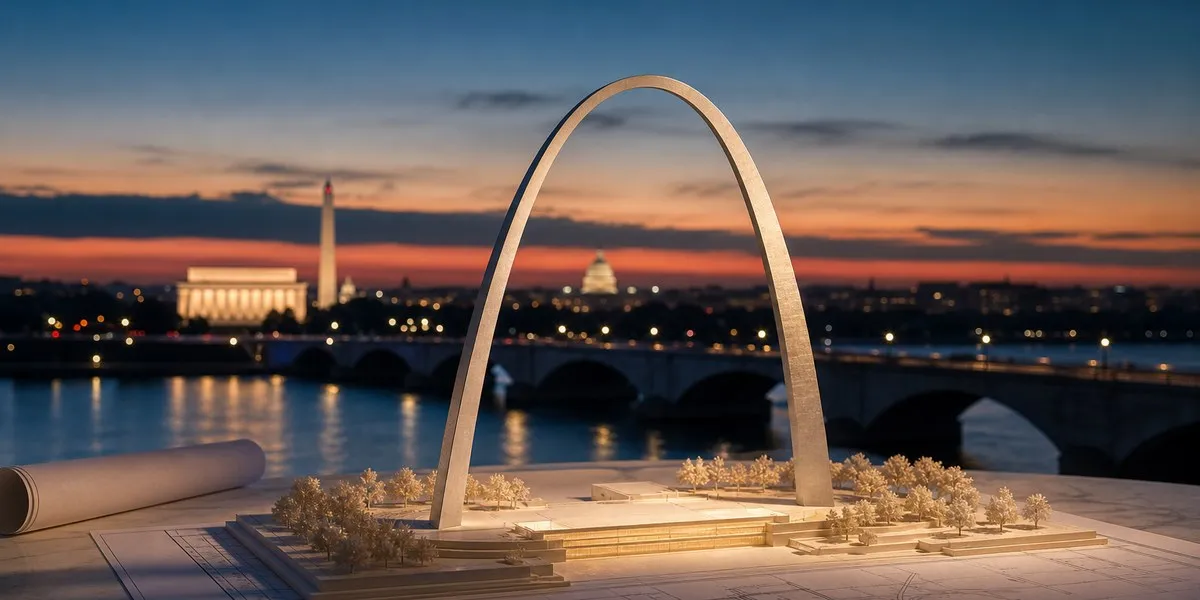
Virginia and the District of Columbia in the United States have filed a lawsuit in federal court seeking to halt the possible construction of a memorial arch proposed by Donald Trump. The site for the structure is located near a bridge across the Potomac between Washington and Virginia. The U.S. administration said work could begin as early as next week, The Guardian reports. Three lawsuits against construction This is one of three lawsuits seeking to halt work on the monument. The 250-foot, or 76-meter, arch is to be built on a grassy plot next to the bridge connecting Washington with Arlington National Cemetery. The structure will be about 30 meters taller than the Statue of Liberty, measured from its base to the tip of the torch. District of Columbia Attorney General Brian Schwalb and Virginia Attorney General Jay Jones said in the lawsuit that the start of construction would cause irreparable harm to both jurisdictions.
This excerpt comes from the named source. Read the original for the full reporting.
Read the original at UA.NEWS


