Meet In CommonNewsRSS feeds

Local

Virginia Governor Backs Out of Trump's Choice Program. Will Other Dems Follow?

A Roundtable is a way to meet new people and discuss this article in person at a local coffee shop or other venue.

Roundtables are designed for groups of four, with a shared subject and room for everyone to speak. Come for discussion, with no dating expectation.

Source: Education Week
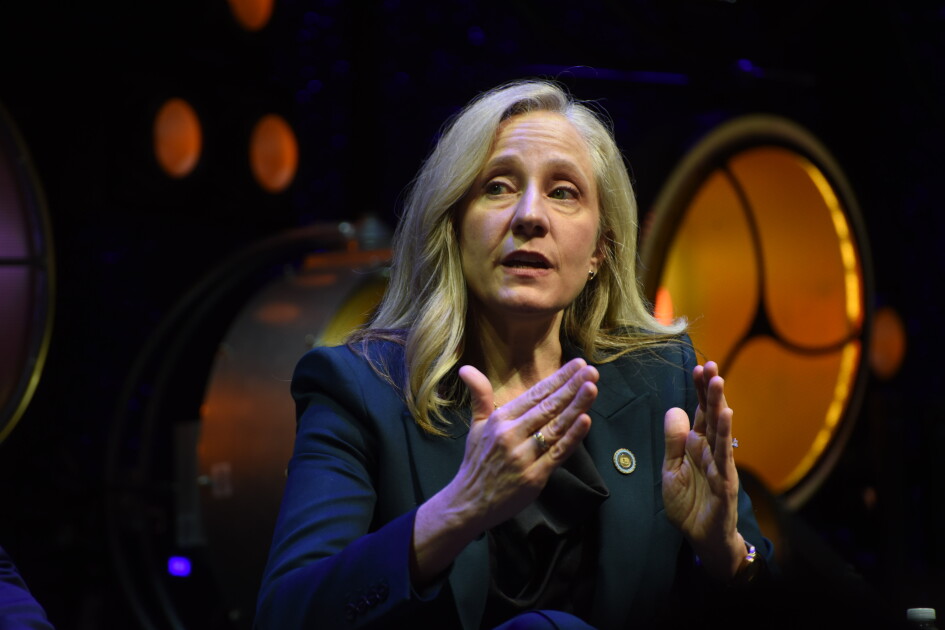
Share article Remove Save to favorites Save to favorites Print Email Facebook LinkedIn Twitter Copy URL Virginia’s Democratic governor plans to pull her state out of the new federal school choice program that her Republican predecessor signed up for, raising fresh questions about the move’s legality and whether a similar situation could play out elsewhere following Democratic midterm victories.Gov. Abigail Spanberger, who took office in January, doesn’t plan to take the next step to finish Virginia’s enrollment in the program, which will incentivize taxpayers to donate to groups that give out K-12 scholarships. Her predecessor, Republican Glenn Youngkin, signed Virginia up days before he left office.“Public money should go to public education, and the Spanberger administration, at this point, has not seen evidence that this program would benefit students in Virginia’s public schools,” a spokesperson said in a statement to Education Week.

This excerpt comes from the named source. Read the original for the full reporting.

Read the original at Education Week

Featured places to meet in Austin, TX

Explore these places and arrange a conversation through ThinkMatch.

City guide for Austin, TX

Related coverage

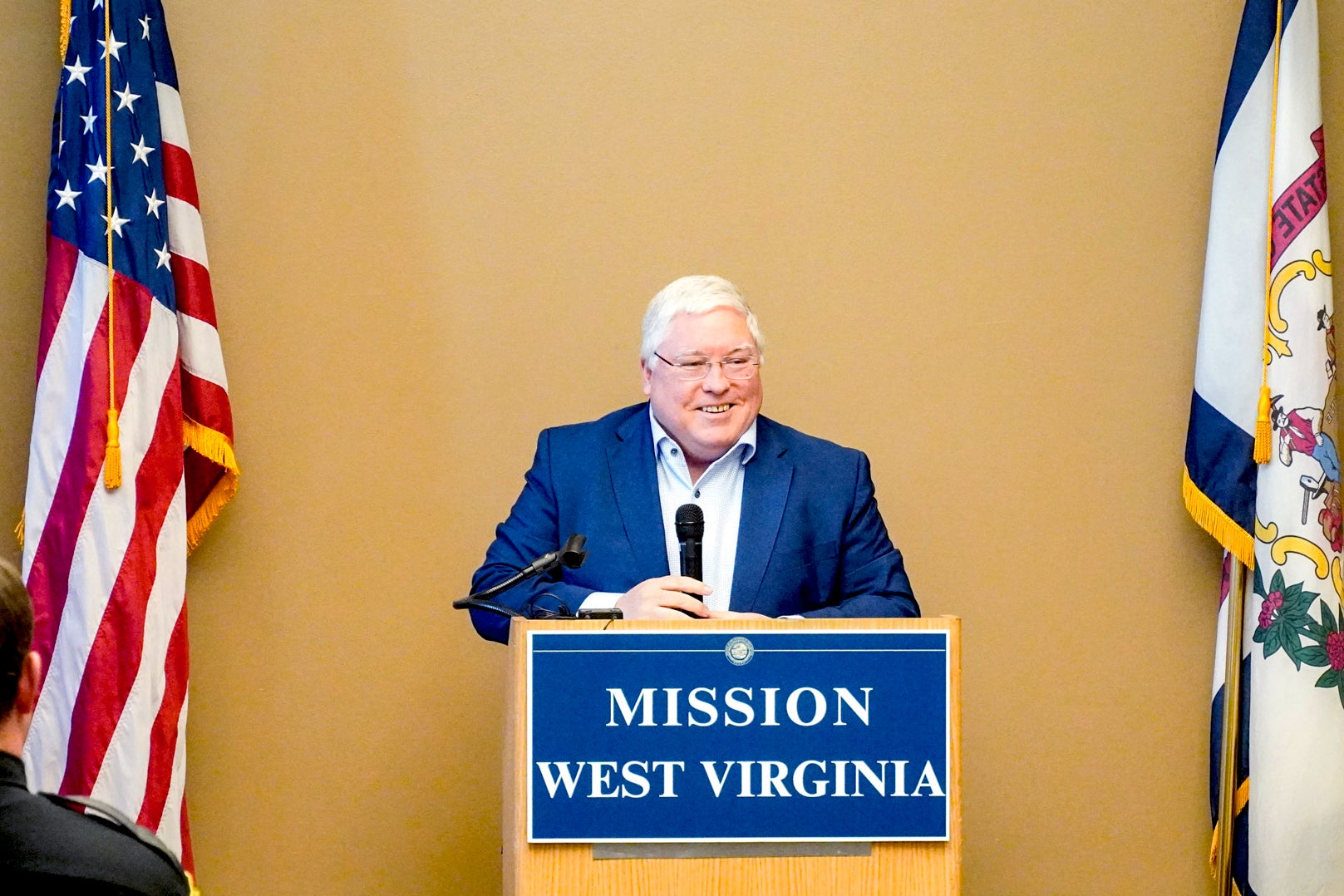
WV Office of the Governor (.gov) · Bridgeport, WV

Governor Morrisey Announces Charles Pointe in Bridgeport as West Virginia's Choice for United States Space Academy

BRIDGEPORT, W.Va. - Governor Patrick Morrisey today announced that West Virginia has officially submitted its application to bring the United States Space Academy to Charles Pointe in Bridgeport, Harrison County, with plans to welcome the Academy's first class at West Virginia University in Morgantown in 2028. The state submitted its response to NASA on November 16. "West Virginia helped write the history of America's space program, and we're ready to help write its next chapter," said Governor Morrisey. "We have the land, the infrastructure, the schools, and the people to make this Academy a success. We know we're up against some tough competition, but West Virginia has never backed down from a challenge. We've put together a strong application, and we're going to give this everything we've got." NASA is seeking a location that can welcome an inaugural class of 300 students in 2028 and break ground on a permanent campus no later than 2027.

WVNS · Bridgeport, WV

Governor Morrisey announces selection of potential Space Academy site in West Virginia

BRIDGEPORT, WV (WVNS) — Governor Patrick Morrisey announced that West Virginia submitted its application to host the United States Space Academy at Charles Pointe in Bridgeport. According to a press release, the submission included plans to welcome the Academy’s first class at West Virginia University in Morgantown in 2028. The state’s response to NASA was sent on November 16, 2026. West Virginia helped write the history of America’s space program, and we’re ready to help write its next chapter. We have the land, the infrastructure, the schools, and the people to make this Academy a success. We know we’re up against some tough competition, but West Virginia has never backed down from a challenge. We’ve put together a strong application, and we’re going to give this everything we’ve got.

Community Poll

Developing young players can be more important than winning in the current season.

Share your view, then see how readers voted. No sign-in required. This poll is shared across stories.

Do you agree or disagree?

Choose one answer

Common Quandary

A Common Quandary to discuss

Another conversation to explore, separate from this news story.

A parent clearly built the winning science project. Who should lose the prize?

An elementary student submits an elaborate science project far beyond their apparent ability. The parent proudly describes working together all weekend, and the child clearly learned something, but other students completed simpler projects themselves.

What is a fair response when help improves learning but distorts achievement?

Explore this quandary