Local
Visit Morgan Hill names Sarah Lira as new director
Meet in Common connects news with real conversations. Use ThinkMatch to arrange a Roundtable and meet people to discuss this story.
Roundtables are designed for groups of four, with a shared subject and room for everyone to speak. Come for discussion, with no dating expectation.
Source: Morgan Hill Times
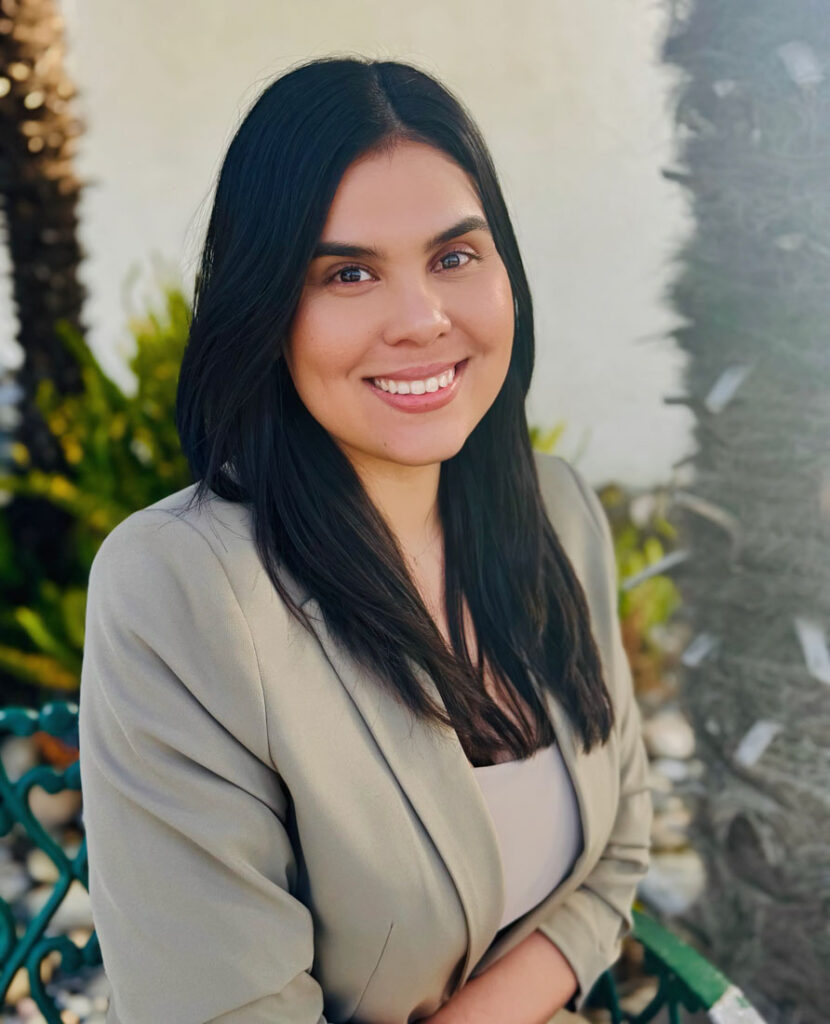
Sarah Lira is the new executive director of Visit Morgan Hill, the nonprofit tourism marketing organization announced Oct. 21. Lira, 33, succeeds previous director Krista Rupp, who stepped down in April without a replacement. Six months later, Lira has arrived to step into the role. A native of Gilroy, Lira said she has watched Morgan Hill from the outside as a close neighbor for most of her life. Now, she says, she has the opportunity to see it from a new perspective as she markets the city as a tourist destination to the rest of the world. “Morgan Hill was always the location that we frequently visited,” Lira said. “Right now I am in a very fun part of this new career journey where I get to explore Morgan Hill and look at it from a different lens now that I’m in this role, which I’ve been enjoying. There’s a lot of gems in Morgan Hill.” Lira, who still lives in Gilroy, was born and raised there.
This excerpt comes from the named source. Read the original for the full reporting.
Read the original at Morgan Hill Times


