Local
Voting is open for 2026 Tour of Homes holiday light display contest
A Roundtable is a way to meet new people and discuss this article in person at a local coffee shop or other venue.
Roundtables are designed for groups of four, with a shared subject and room for everyone to speak. Come for discussion, with no dating expectation.
Source: The Bemidji Pioneer
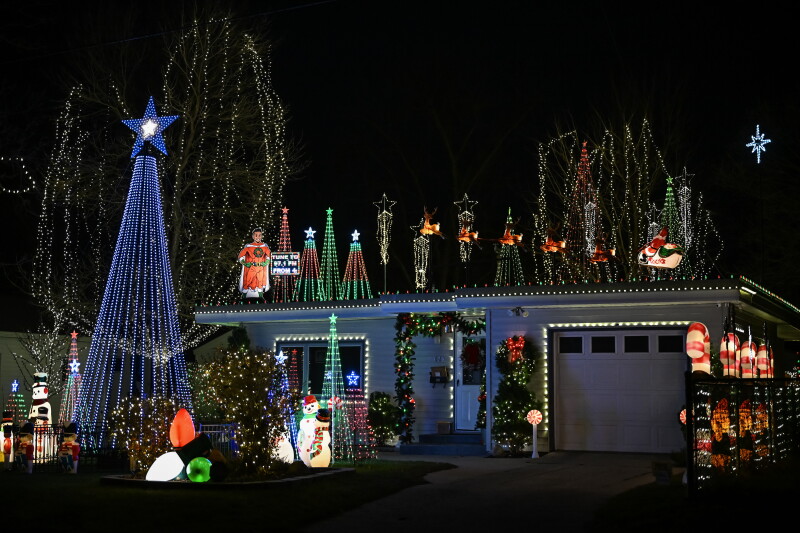
BEMIDJI — Now is the time to vote for your favorite light display in this year's Tour of Homes contest. The Bemidji Pioneer, in partnership with the First City of Lights Foundation, has collected 16 addresses of homes decked out in the best holiday cheer Bemidji has to offer, and now is the time to rank your top choices to determine this year's People's Choice winners. First place will receive a $150 prize, with recognition in the Pioneer for second and third place. A panel of selected judges will determine the Judge's Choice winners, with a $250 prize and traveling trophy going to first place, and recognition for second and third. Participants have agreed to have their lights on from 5 p.m. to 10 p.m., seven days a week, through Jan. 1. The Tour of Homes map is available at the Pioneer, the Tourist Information Center in Paul Bunyan Park and online for Christmas light enthusiasts to use to see the displays. The full tour route takes about 1.5 hours to complete.
This excerpt comes from the named source. Read the original for the full reporting.
Read the original at The Bemidji Pioneer


