Local
Walker Rotary Reading Challenge kicks off at WHA School
A Roundtable is a way to meet new people and discuss this article in person at a local coffee shop or other venue.
Roundtables are designed for groups of four, with a shared subject and room for everyone to speak. Come for discussion, with no dating expectation.
Source: The Pilot Independent
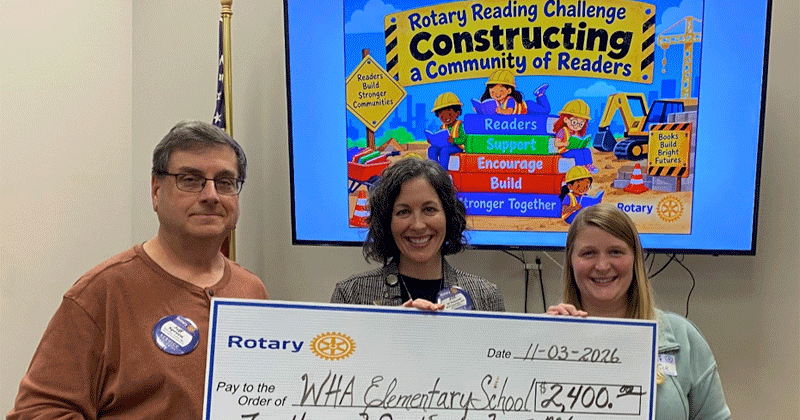
Walker-Hackensack-Akeley Elementary School Principal Jill McGowan and pre-kindergarten teacher Alyssa Lissick presented the Rotary Reading Program Challenge during the Nov. 3 Rotary meeting.The theme is Construction of a Community of Readers for pre-K and kindergarten classes, as well as grades 1-3.The books chosen are centered around the “construction” theme with special days to celebrate and collaborate during the month of February. Ideas include a construction dress-up day, trivia, scavenger hunt for tools and possibly concluding with a challenge in March to build the tallest structure with marshmallow, frosting and candy.Rotary volunteers listen to second graders read on Tuesdays from 8:30 to 9:30 a.m. as part of their community service. Statistics show that children who are read to or listened to increase their aptitude for higher learning.
This excerpt comes from the named source. Read the original for the full reporting.
Read the original at The Pilot Independent