Local
Was the University of Maine’s mascot, Bananas T. Bear, named after a real bear? | Fact brief
A Roundtable is a way to meet new people and discuss this article in person at a local coffee shop or other venue.
Roundtables are designed for groups of four, with a shared subject and room for everyone to speak. Come for discussion, with no dating expectation.
Source: The Maine Campus
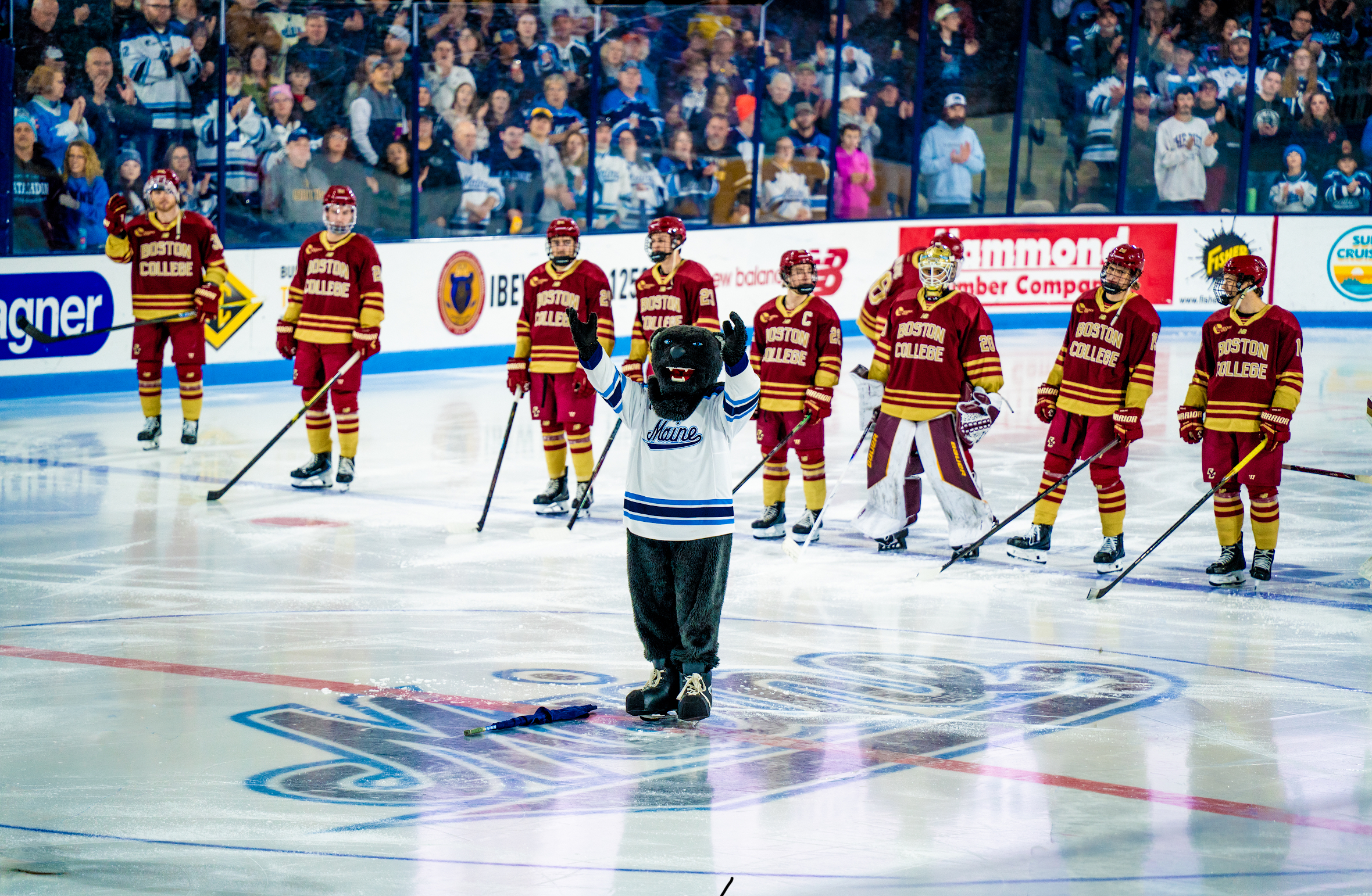
Yes. A black bear cub named Jeff performed a headstand while attending a UMaine football rally in 1914, reportedly causing the crowd to go “bananas,” according to the University of Maine and the Sigma Xi chapter of the Alpha Phi Omega service fraternity, (now Alpha Delta). The university says this incident inspired the name of its mascot, Bananas T. Bear. However, Glenn Arthur Pierce, author of “Naming Rites,” a book about the history of North American team names, notes that the expression “going bananas” did not become widely used until the 1960s and questions the accuracy of the 1914 story. So, while we can be certain that Bananas was an actual bear, the precise origin of the name remains uncertain. UMaine used live black bears as mascots until 1966, when live mascots were outlawed statewide. The university debuted a costumed mascot in 1969. This fact brief is responsive to conversations such as this one.
This excerpt comes from the named source. Read the original for the full reporting.
Read the original at The Maine Campus


