Local
Washington's 11 Most Laid-Back Towns
Meet in Common connects news with real conversations. Use ThinkMatch to arrange a Roundtable and meet people to discuss this story.
Roundtables are designed for groups of four, with a shared subject and room for everyone to speak. Come for discussion, with no dating expectation.
Source: WorldAtlas
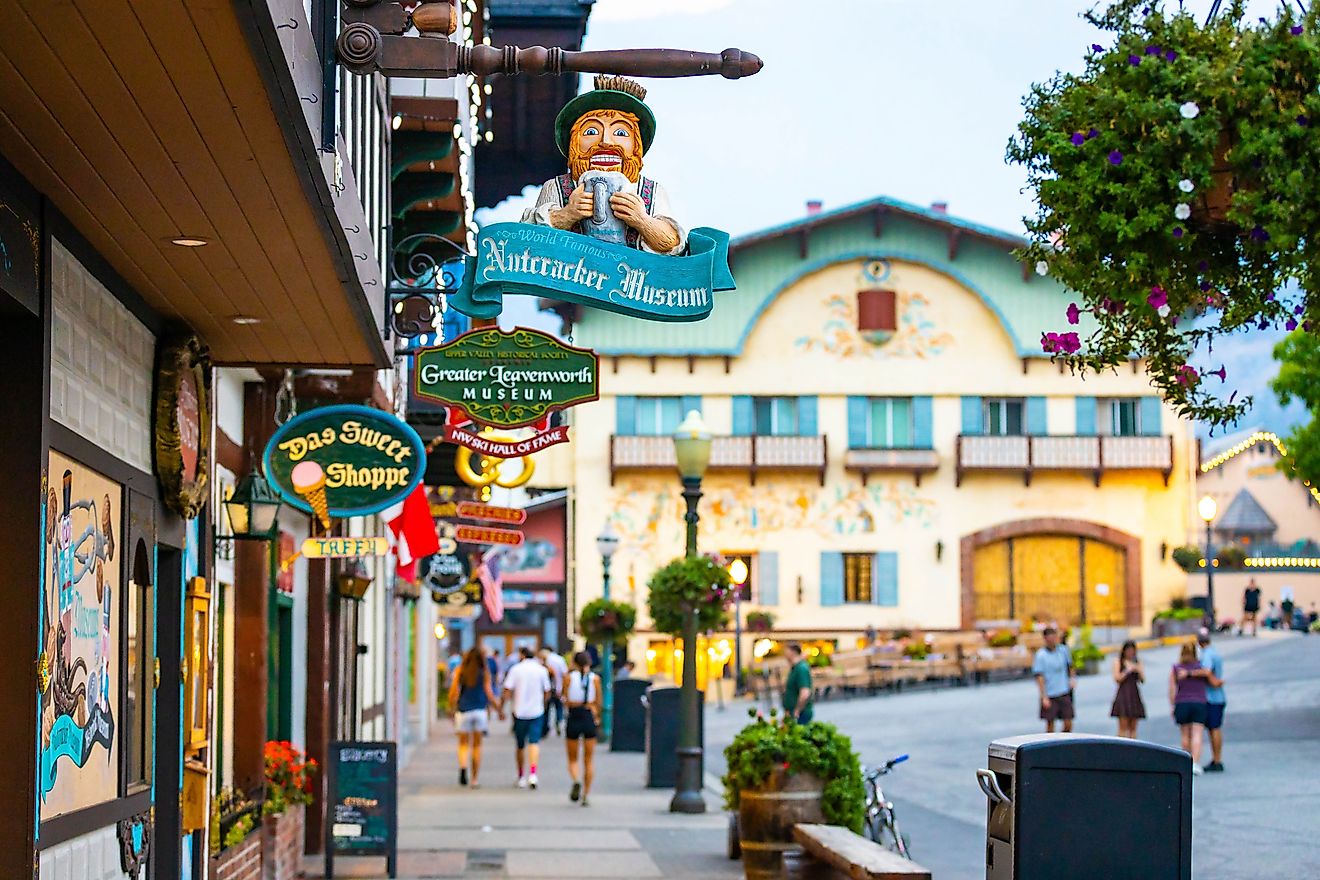
An afternoon in Coupeville can slip by over a plate of Penn Cove mussels and a leisurely wander past Victorian storefronts. That's the beauty of Washington's most laid-back towns, where there's no need to pack every hour with activities. In Winthrop, Old West storefronts invite unhurried browsing, while Chelan's lakeside wineries make it tempting to linger over another glass. Dayton offers peaceful walks beneath golden fall foliage along the Touchet River, and Packwood puts the forests of Mount Rainier within easy reach. These 11 laid-back towns in Washington offer a welcome change of pace, with plenty of local character and beautiful scenery to enjoy along the way. Winthrop The rugged Wild West comes to life in Winthrop. This Methow Valley town remade its downtown in an Old West style in the early 1970s.
This excerpt comes from the named source. Read the original for the full reporting.
Read the original at WorldAtlas