Local
WashU is at risk of losing its most transformative first-year program
A Roundtable is a way to meet new people and discuss this article in person at a local coffee shop or other venue.
Roundtables are designed for groups of four, with a shared subject and room for everyone to speak. Come for discussion, with no dating expectation.
Source: Student Life
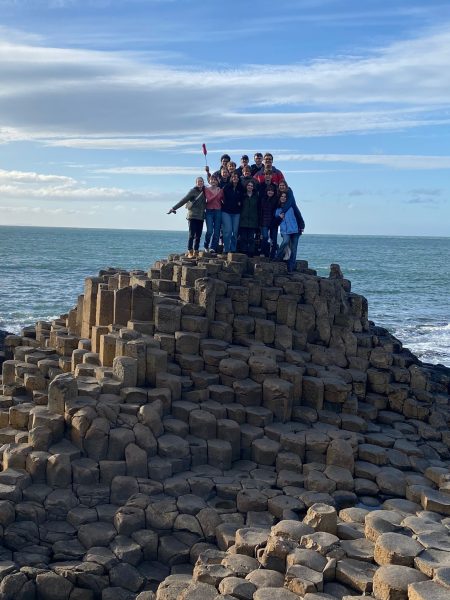
Photo courtesy of Ava Giere. One of WashU’s longest-running first-year programs, the Ampersand course on Irish literature, was canceled this year as an indirect result of institutional budget cuts. For the last 20 years, this course changed lives, including our own. We spoke with classmates who said it determined their major, convinced them not to transfer schools, and, more than any other experience, made them come to love WashU. Like other Ampersands, the seminar-style class lasted two semesters and was offered only to first-year students, in order to foster friendships and assist with the transition to college. In other ways, the course was structured unlike any other course at WashU. Instead of being taught by one professor, the course counted with the expertise of four: Dirk Killen, Erin Finneran, Ian Clark, and Amy Heath-Carpentier. Killen was also assigned as the four-year academic advisor to every College of Arts & Sciences student in the course.
This excerpt comes from the named source. Read the original for the full reporting.
Read the original at Student Life