Local
Watco expands Intramotev autonomous railcar operations to Texas
A Roundtable is a way to meet new people and discuss this article in person at a local coffee shop or other venue.
Roundtables are designed for groups of four, with a shared subject and room for everyone to speak. Come for discussion, with no dating expectation.
Source: Robotics & Automation News
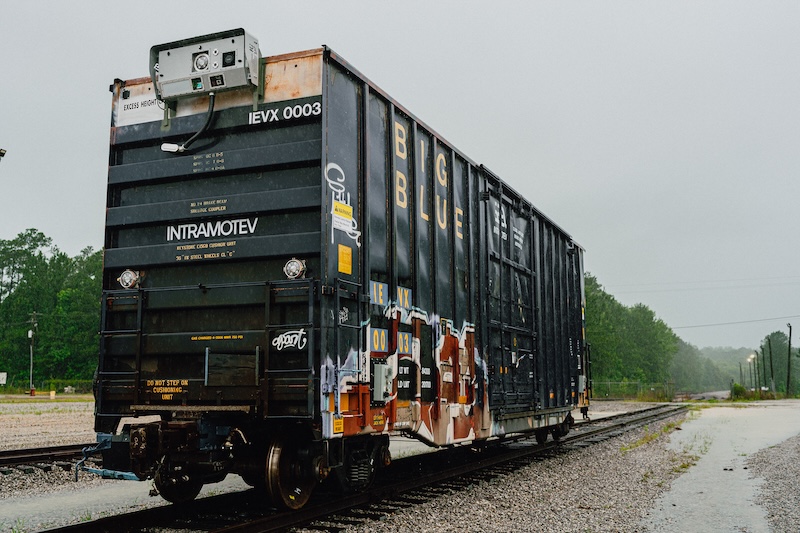
Intramotev, the technology company building autonomous freight railcars, has announced a new agreement with Watco, one of the largest short line railroad holding companies in North America. Watco will deploy Intramotev’s TugVolt technology at a second site in Seadrift, Texas, building on the companies’ work together at Watco’s terminal in Wood River, Illinois. Aaron Jensen, Watco’s senior vice president of operations solutions and support, says: “At Watco, we’re always exploring new ways to support our customers. Our deployment at Wood River showed us that TugVolt can deliver safe, reliable car handling and fit into our existing operations. Bringing it to Seadrift is the next step in putting this technology to work across our network.” Under the new agreement, Intramotev will deploy TugVolt units to switch railcars within an industrial facility in Seadrift. At Wood River, TugVolt technology is in revenue service moving soda ash for Watco’s customers.
This excerpt comes from the named source. Read the original for the full reporting.
Read the original at Robotics & Automation News