Local
Water From Air: What Atmospheric Water Technology Actually Does, and How to Read a Company's Claim About It
A Roundtable is a way to meet new people and discuss this article in person at a local coffee shop or other venue.
Roundtables are designed for groups of four, with a shared subject and room for everyone to speak. Come for discussion, with no dating expectation.
Source: The Press Times
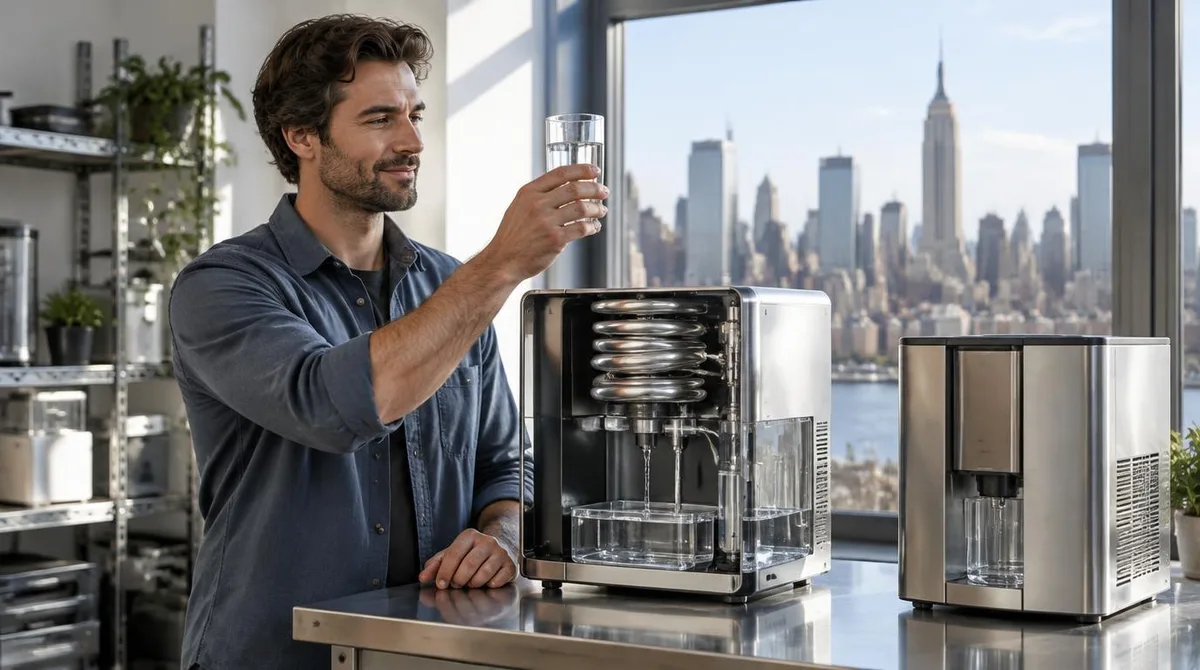
Captiva Verde Corp., a developer of atmospheric water technology, is taking its case to a national radio audience. According to Morningstar, the company announced on Nov. 19, 2026, a campaign with Red Apple Media that will carry its message through WABC's more than 700 syndicated network affiliates, following a Veterans Day parade appearance and an on-air interview. The announcement is a media buy, not a product launch. But it is a useful doorway into a technology that more communities and institutions are likely to hear about: machines that pull moisture out of the air and turn it into drinking water where it is needed. Understanding how that works, and what a company can and cannot promise about it, is the durable part of this story. This connects to our earlier piece, Unemployment Benefits Duration — Unemployment Insurance Week by Week: What a Claim Actually Pays and When It Runs Out. It is also a reminder of how corporate mission statements reach the public.
This excerpt comes from the named source. Read the original for the full reporting.
Read the original at The Press Times



