Local
Wazoo Records: Where the Music Never Stops
Meet in Common connects news with real conversations. Use ThinkMatch to arrange a Roundtable and meet people to discuss this story.
Source: The Michigan Review
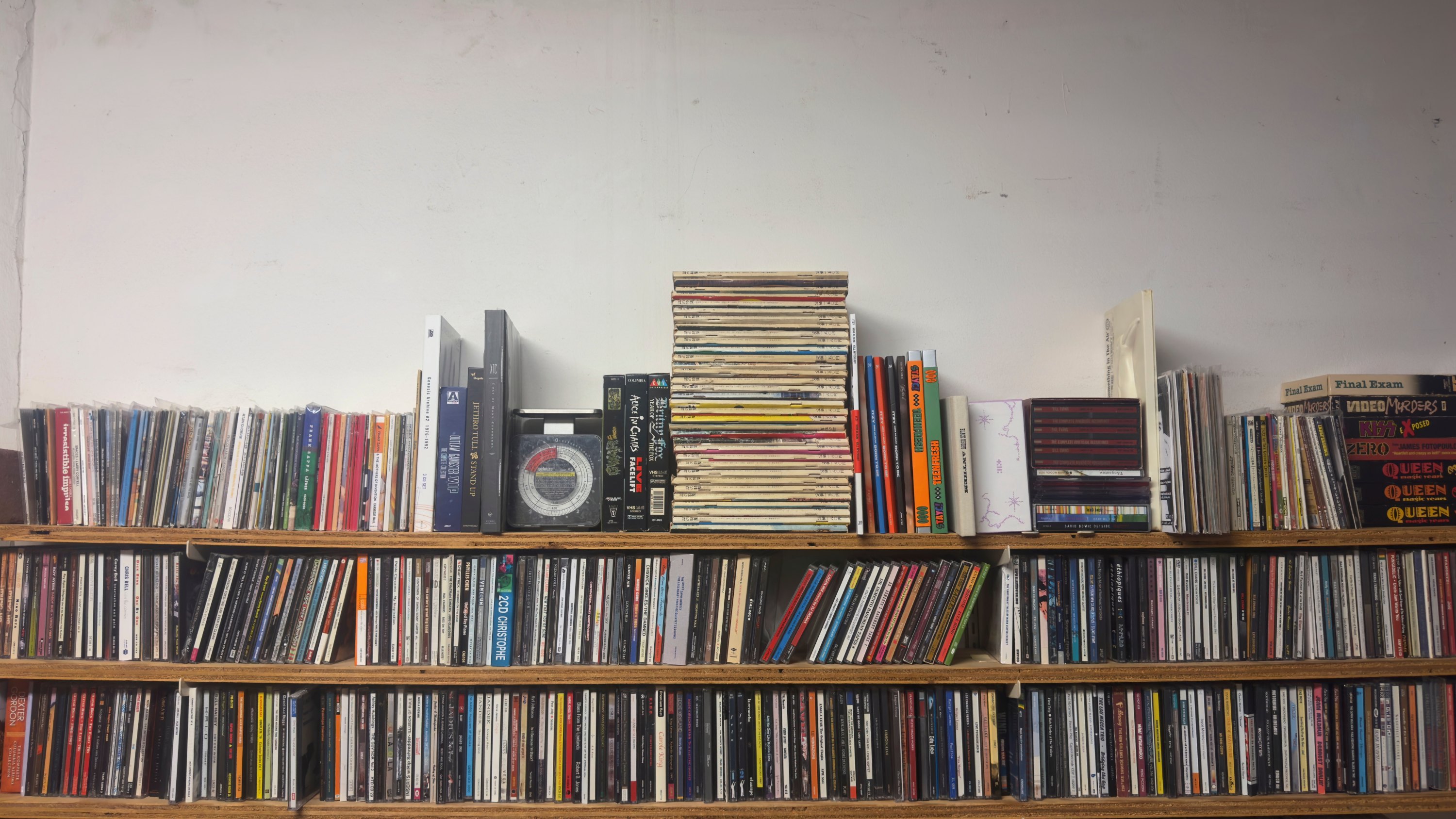
In an era when nearly every song imaginable is available at the touch of a button, one might expect record stores to be a relic of the past. Yet, hiding away on the second floor of a building on South State Street, Wazoo Records has spent more than half a century defying that expectation. Founded in 1974, Wazoo has survived the rise of CDs, digital downloads, and streamers, all while remaining a fixture of Ann Arbor. Today, the store is experiencing another shift in music consumption as a new generation of University of Michigan students has begun to see the appeal of owning physical music. For owner Forest Juziuk, who has spent much of his life working in record stores and the music industry, the revival has been surprising, particularly when it comes to CDs: "If you'd asked me years ago [if CDs would make a comeback], I'd be like, not in a zillion years," he stated. But the return of physical music is only one part of a much larger transformation.
This excerpt comes from the named source. Read the original for the full reporting.
Read the original at The Michigan Review