Local
We answer reader questions about Long Beach’s new speed cameras
A Roundtable is a way to meet new people and discuss this article in person at a local coffee shop or other venue.
Roundtables are designed for groups of four, with a shared subject and room for everyone to speak. Come for discussion, with no dating expectation.
Source: Long Beach Post
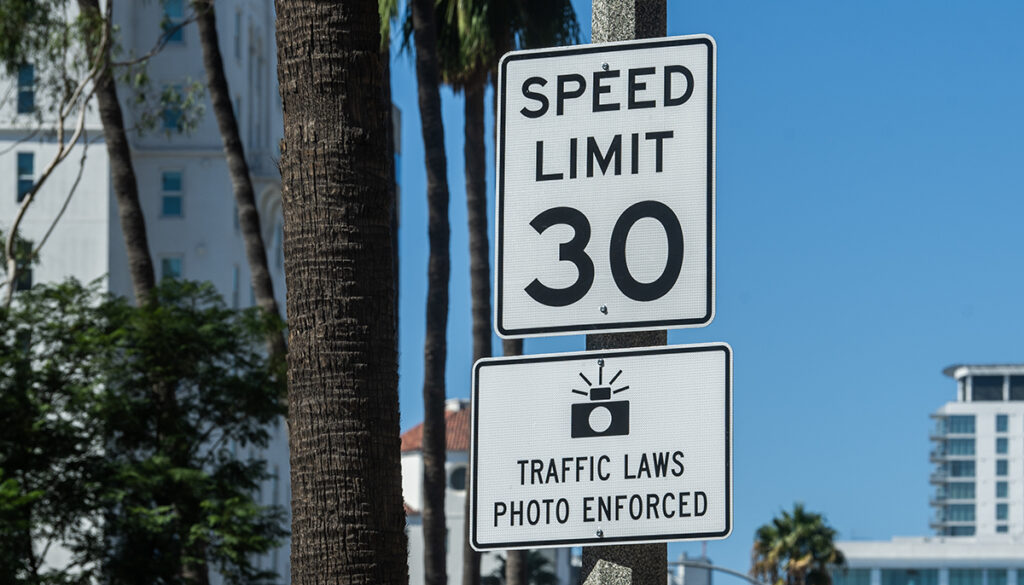
This story is part of our ongoing series on the city’s new speed cameras. Follow along at LBPost.com/speedcameras. Not to brag, but I’m not sure anyone has spent more time this week perusing the city’s rules for its new speed cameras than I have. We launched an FAQ last week, and this week, we’re answering more good questions from dedicated readers. Some I had heard before. Others made me dig a bit for an answer. If you have more, send them to me at [email protected]. And sign up for our Today’s Headlines newsletter to get next Tuesday’s installment in this series. Ken C. asked: Since the cameras only take pictures of the rear license plate, what if someone else is using your car? Basically, you’re still on the hook. When citations start going out Dec. 7, the cameras will photograph the rear license plates of cars speeding at 11 mph or more over the limit. City staff then use the license plate info to find the registered owner’s address and mail out a citation.
This excerpt comes from the named source. Read the original for the full reporting.
Read the original at Long Beach Post