Local
‘We’re Living in Hell’: MAGA Erupts in Racist Insults After Video of 4 Black Newly Elected Georgia Officials Goes Viral
A Roundtable is a way to meet new people and discuss this article in person at a local coffee shop or other venue.
Roundtables are designed for groups of four, with a shared subject and room for everyone to speak. Come for discussion, with no dating expectation.
Source: Atlanta Black Star
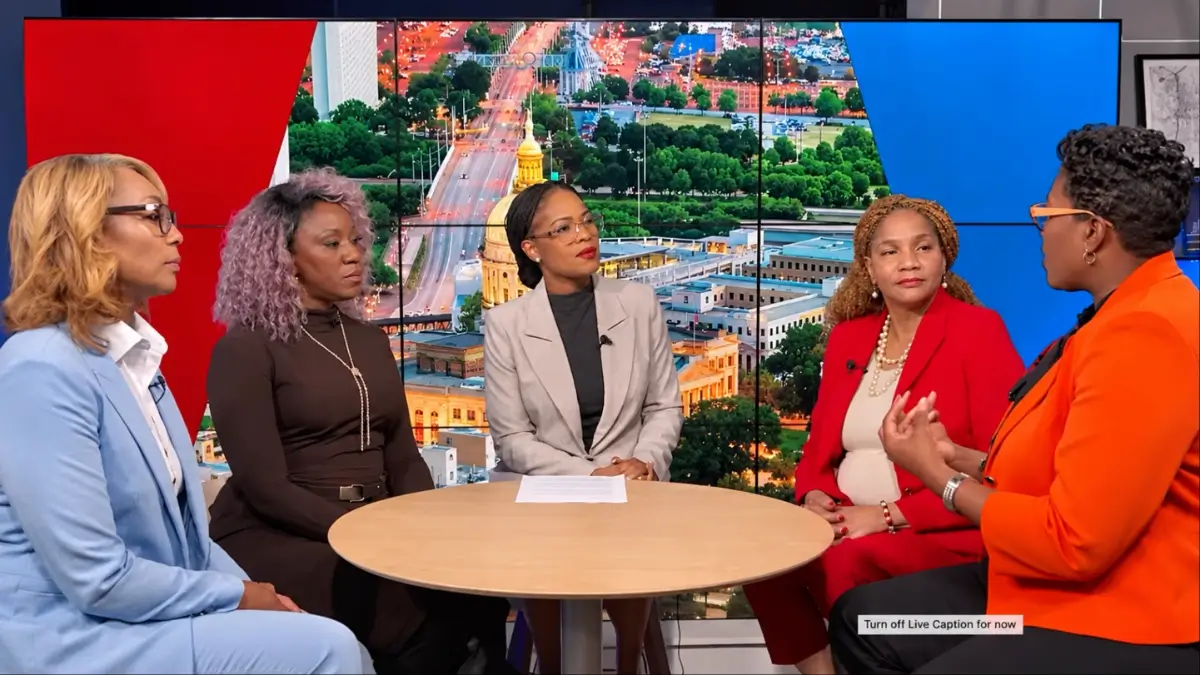
The election of eight Black women to statewide office in Georgia should have been a moment to celebrate a historic milestone in the state’s political history. Instead, a video featuring four of the incoming officials discussing their victories and the challenges facing Georgia has sparked a wave of racist attacks. Some MAGA supporters seized on the women’s remarks about “Black girl magic” to mock them with references to fried chicken and welfare stereotypes. The backlash followed an interview with 11Alive featuring Insurance Commissioner-elect Keisha Sean Waites, Labor Commissioner-elect Nikki Porcher, State School Superintendent-elect Dr. Lydia Powell and Public Service Commissioner-elect Shelia Edwards. The four women discussed a range of issues, from rising household costs and insurance rates to education funding and the expectations that come with making history.
This excerpt comes from the named source. Read the original for the full reporting.
Read the original at Atlanta Black Star


