Local
Weed Show celebrates the city’s greatest
Meet in Common connects news with real conversations. Use ThinkMatch to arrange a Roundtable and meet people to discuss this story.
Source: Hi Desert Star
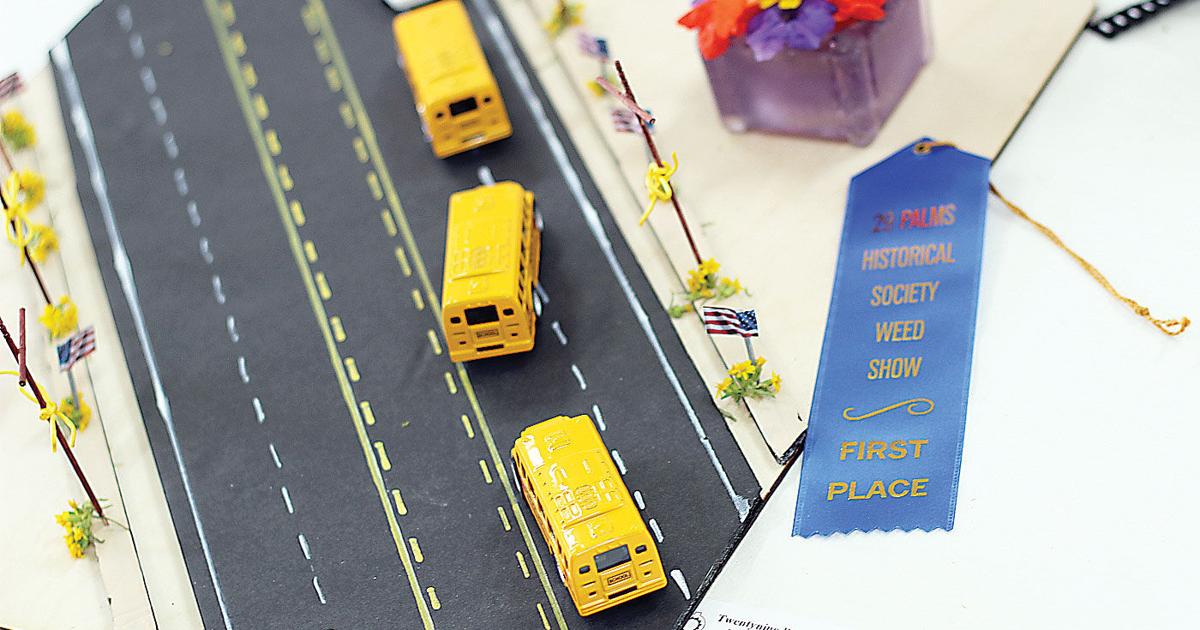
Michelle Barber received first place in category 6, "Greatest Highway Memory." Kurt Schauppner The Desert Trail TWENTYNINE PALMS — “G.O.A.T. — Greatest of All Time” was the theme of this year’s Weed Show, which took over Founders Hall at the Old Schoolhouse Museum Saturday, Nov. 7, and Sunday, Nov. 8.The show drew 31 participants who created 78 entries, viewed by 379 visitors over the weekend.“The Weed Show continues to celebrate the artistic talents and creativity of the desert community, bringing together participants of all ages in a longstanding Twentynine Palms tradition,” chair Melodye Allen said.“Congratulations to all the winners and participants who helped make this year’s show a celebration of the desert’s greatest treasures.”Participants showcased their creativity through arrangements featuring dried plant materials and decorative accessories.
This excerpt comes from the named source. Read the original for the full reporting.
Read the original at Hi Desert Star