Local
Weiser names Republican Cleave Simpson Colorado ag commissioner
A Roundtable is a way to meet new people and discuss this article in person at a local coffee shop or other venue.
Roundtables are designed for groups of four, with a shared subject and room for everyone to speak. Come for discussion, with no dating expectation.
Source: The Leadville Herald
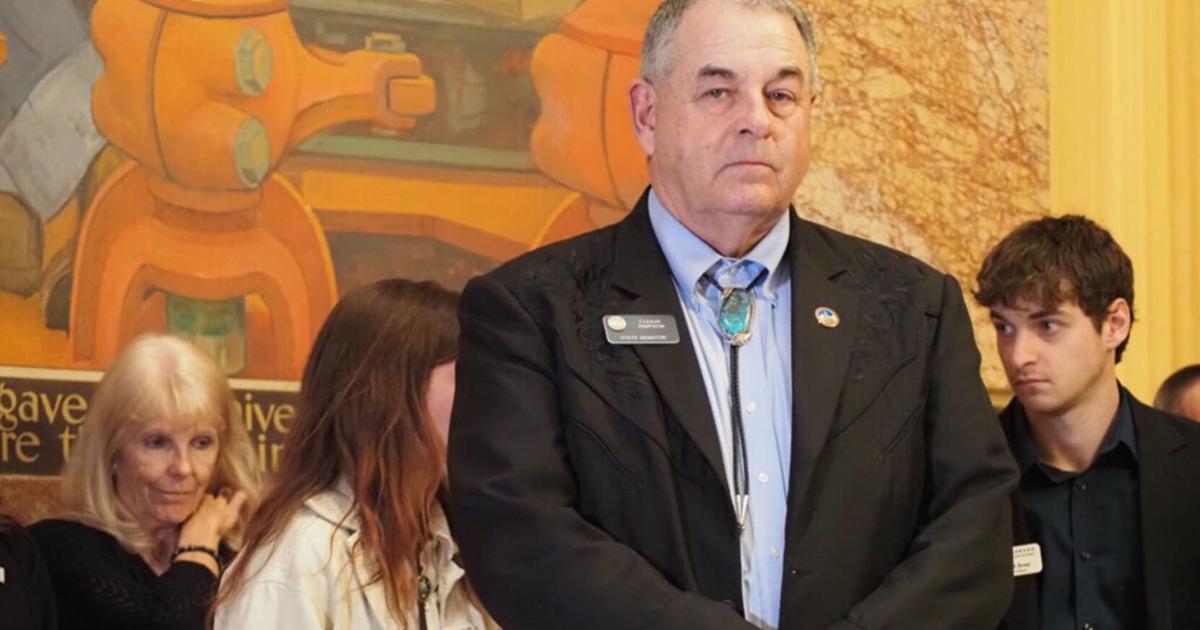
Senate Minority Leader Cleave Simpson is seen at the Colorado Capitol in March. (Photo by Sara Wilson/Colorado Newsline) Democratic Gov.-elect Phil Weiser announced his first round of cabinet appointments Tuesday, led by his pick of a top-ranking Republican at the Capitol to head the Colorado Department of Agriculture.GOP state Sen. Cleave Simpson, who represents the San Luis Valley and has served as the Republican Senate Minority Leader since June 2025, was named Weiser’s incoming Agriculture Commissioner.Simpson, a fourth-generation farmer and rancher and general manager of the Rio Grande Water Conservation District, will succeed outgoing Agriculture Commissioner Kate Greenberg, who has served in the role since 2019, when she was named by Gov.
This excerpt comes from the named source. Read the original for the full reporting.
Read the original at The Leadville Herald