Meet In CommonNews

Local

West Goshen Revisits Data Center Rules in Zoning Overhaul

A Roundtable is a way to meet new people and discuss this article in person at a local coffee shop or other venue.

Roundtables are designed for groups of four, with a shared subject and room for everyone to speak. Come for discussion, with no dating expectation.

Source: MyChesCo
WEST GOSHEN TWP, PA — West Goshen Township supervisors will review proposed data center regulations, mixed-use development provisions and zoning map revisions on November 5 as the municipality advances a comprehensive rewrite of its land-use rules, potentially changing where businesses and development projects can operate throughout the township. The proposed overhaul would replace a zoning framework originally adopted in 1972, updating the regulations that govern permitted uses, development standards and property classifications. Supervisors are scheduled to meet Thursday, November 5, at 6 p.m. at the West Goshen Township Building, 1025 Paoli Pike, West Chester. The agenda calls for supervisors to confirm changes to the proposed ordinance, including provisions addressing data centers and revisions to the proposed Mixed-Use Corridor District.

This excerpt comes from the named source. Read the original for the full reporting.

Read the original at MyChesCo

Featured places to meet in Palo Alto, CA

Explore these places and arrange a conversation through ThinkMatch.

City guide for Palo Alto, CA

Related coverage

WVIA Public Media · Local

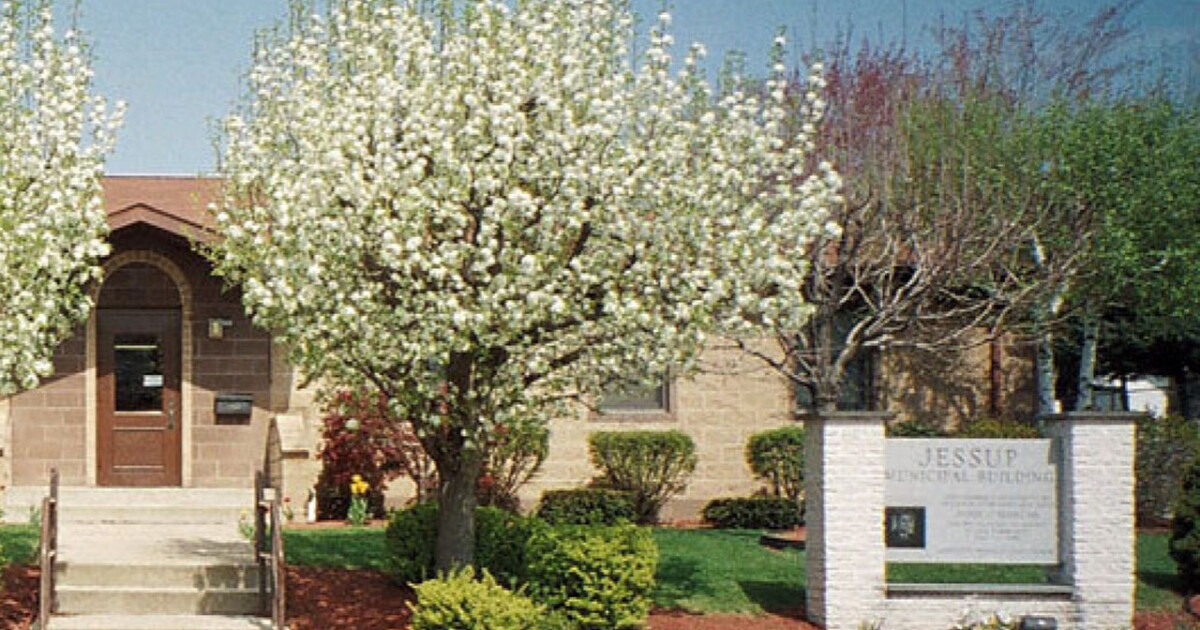
Lackawanna County judge denies appeal in Jessup data center case

Facebook Twitter LinkedIn Email Last year, Jessup's planning commission denied a data center developer’s land development plans. Breaker Street Associates LLC, from Conshohocken, then sought to bypass the decision through a legal appeal to construct its six-building data center campus on over 200 acres on Breaker and Hill streets. The company claimed that Jessup violated the Pennsylvania Municipal Planning Code because they did not issue a proper written decision to deny the plans within the code’s required 90-day time frame. On Oct. 22, Lackawanna County Judge Terrence R. Nealon ruled in favor of the borough and denied Breaker Street’s arguments that its project was “deemed approved,” according to court records. Nealon’s decision says that Jessup did not violate the planning code since Breaker Street voluntarily resubmitted its land development plans twice. “We’re obviously pleased with the outcome,” Jessup Council President Gregg Betti said.

Hoodline · Jessup, PA

Jessup Data Center Appeal Denied by Lackawanna Judge

A Lackawanna County judge has rejected a developer's bid to force approval of a sprawling data center campus in Jessup, ruling that the borough acted within its rights when it twice denied the project. Judge Terrence R. Nealon sided with Jessup Borough on Oct. 22, shooting down Breaker Street Associates LLC's argument that its plans for a six-building data center campus had been automatically greenlit under state law. According to WVIA Public Media, Nealon rejected the Conshohocken-based company's claim that its project was “deemed approved” under the Pennsylvania Municipal Planning Code after Jessup allegedly failed to issue a timely written denial. The judge found instead that the borough did not violate the planning code, because Breaker Street voluntarily resubmitted its land development plans twice, each time triggering a fresh 90-day review clock.

Community Poll

Health systems should prioritize the most urgent needs when capacity is limited.

Share your view, then see how readers voted. No sign-in required. This poll is shared across stories.

Do you agree or disagree?

Choose one answer

Common Quandary

A Common Quandary to discuss

Another conversation to explore, separate from this news story.

A pricey AI tutor can turn B students into A students. Should schools let them use it?

An effective AI tutor adapts to each student and dramatically improves performance, but its subscription is expensive. A public school cannot provide it to everyone and worries that allowing its use will deepen existing inequality.

Should access be limited when a beneficial tool cannot yet be shared fairly?

Explore this quandary