Local
What a court clerk's office does for a courthouse
Meet in Common connects news with real conversations. Use ThinkMatch to arrange a Roundtable and meet people to discuss this story.
Source: Daily Detective News
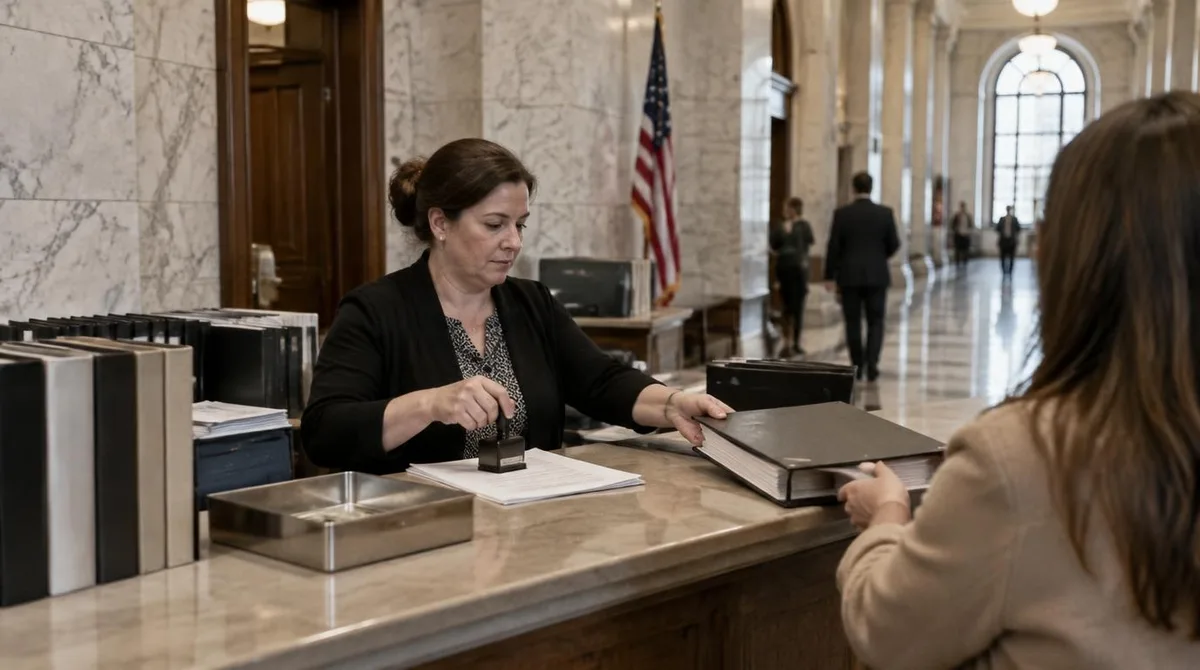
A court clerk's office runs the paperwork side of a courthouse. The federal judiciary defines the clerk of court as an administrative officer appointed by the judges to manage the flow of cases, maintain court records, and handle financial matters, per its glossary. Most filings meet that desk first. The office touches a case at every step. It takes filings, keeps the file, records the money, and hands the public its clearest view of the court. When a record is sealed or a copy fee is due, the reason traces back to this desk. What a clerk of court is A clerk of court is an administrative officer appointed by the judges of the court, per the judiciary glossary. The stated duties are to manage the flow of cases through the court, maintain court records, handle financial matters, and provide other administrative support. The scope is the whole courthouse, not one case type. That scope explains the desk most visitors meet. Filing fees, motions, and copies route through the office.
This excerpt comes from the named source. Read the original for the full reporting.
Read the original at Daily Detective News