Local
What happens at a sentencing hearing, step by step
A Roundtable is a way to meet new people and discuss this article in person at a local coffee shop or other venue.
Roundtables are designed for groups of four, with a shared subject and room for everyone to speak. Come for discussion, with no dating expectation.
Source: Daily Detective News
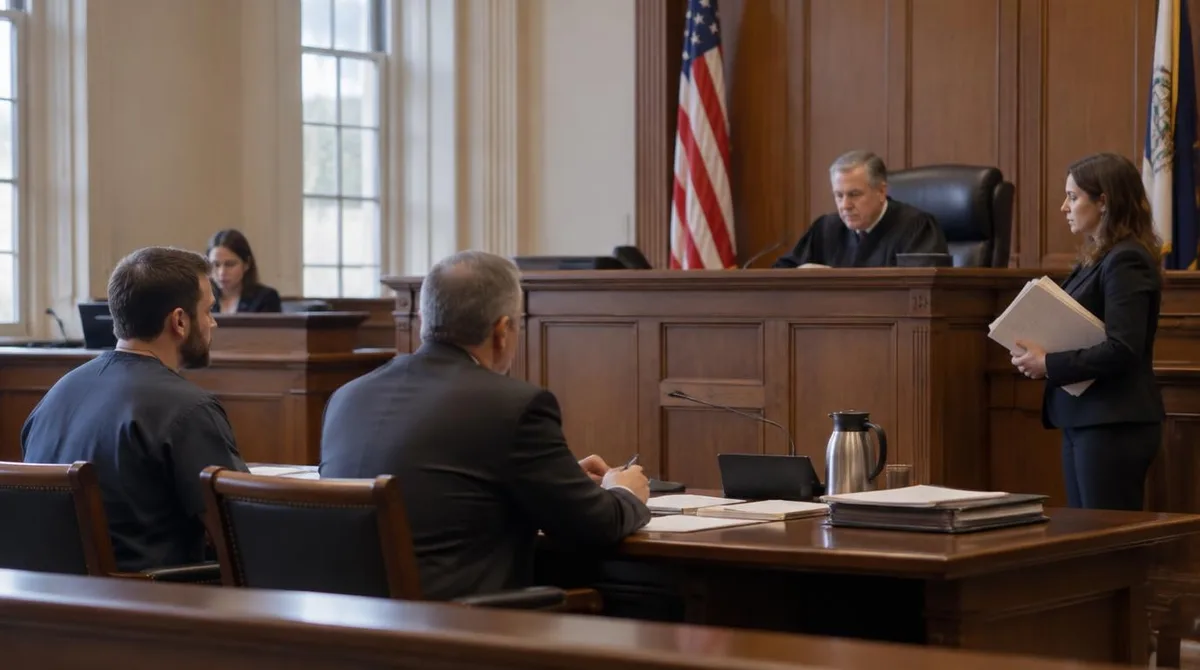
A sentencing hearing is the proceeding where a judge sets the punishment after a guilty plea or a verdict. A probation officer hands the court a presentence report first. Both sides correct its facts. The defendant speaks, and the judge then states the sentence and the reasons behind it. The hearing ends a case, so the stakes are plain. The order of events is settled, and the federal judiciary describes each part of it in public guidance. The steps matter because a sentence must rest on a record both sides could test. When the hearing happens Most federal convictions never reach a trial verdict. More than 90 percent of cases end in a guilty plea rather than a trial, per the judiciary case guide. Even after a plea, the judge usually does not sentence on the spot. The court schedules a later hearing so the probation office can prepare its report. What happens before the hearing: the report Once a plea or a verdict lands, a probation officer opens an independent investigation.
This excerpt comes from the named source. Read the original for the full reporting.
Read the original at Daily Detective News