Local
What have Church leaders taught about gratitude?
A Roundtable is a way to meet new people and discuss this article in person at a local coffee shop or other venue.
Roundtables are designed for groups of four, with a shared subject and room for everyone to speak. Come for discussion, with no dating expectation.
Source: Church News
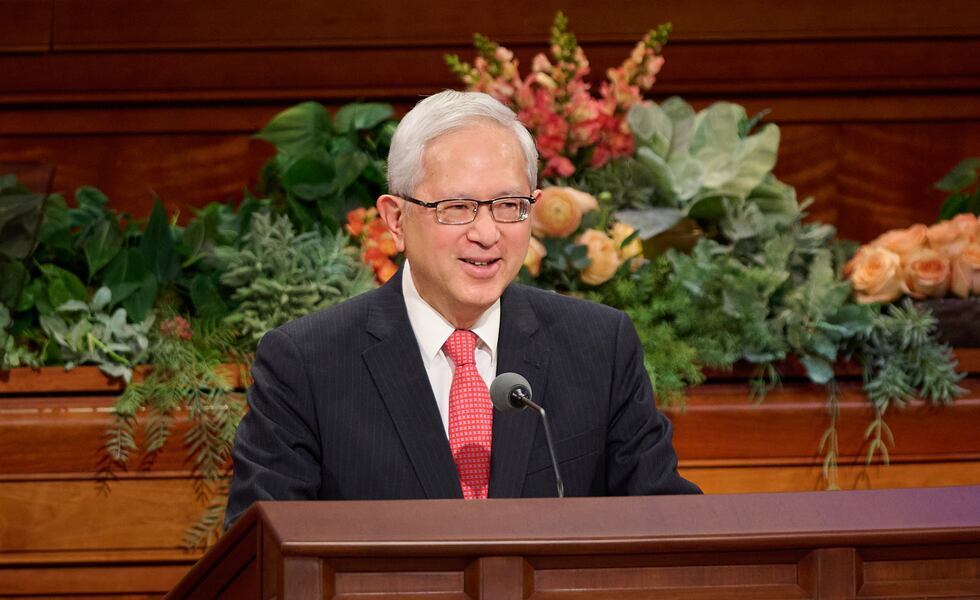
As the world grappled with the COVID-19 pandemic and other challenges during 2020, the late President Russell M. Nelson issued a simple invitation: #GiveThanks. “Over my nine and a half decades of life, I have concluded that counting our blessings is far better than recounting our problems,” President Nelson said at that time. “No matter our situation, showing gratitude for our privileges is a fast-acting and long-lasting spiritual prescription.” Six years later, as families in the U.S. gather to celebrate Thanksgiving, President Nelson’s message remains relevant. He’s not alone, either, in emphasizing the importance of gratitude. Here’s a look at what other leaders of The Church of Jesus Christ of Latter-day Saints have taught about giving thanks. 2026 “Temple sacrifice and temple service include a spirit of gratitude. I mention this with great respect and love.
This excerpt comes from the named source. Read the original for the full reporting.
Read the original at Church News