Local
What Louisville’s nonpartisan elections mean for voters
A Roundtable is a way to meet new people and discuss this article in person at a local coffee shop or other venue.
Roundtables are designed for groups of four, with a shared subject and room for everyone to speak. Come for discussion, with no dating expectation.
Source: Louisville Public Media
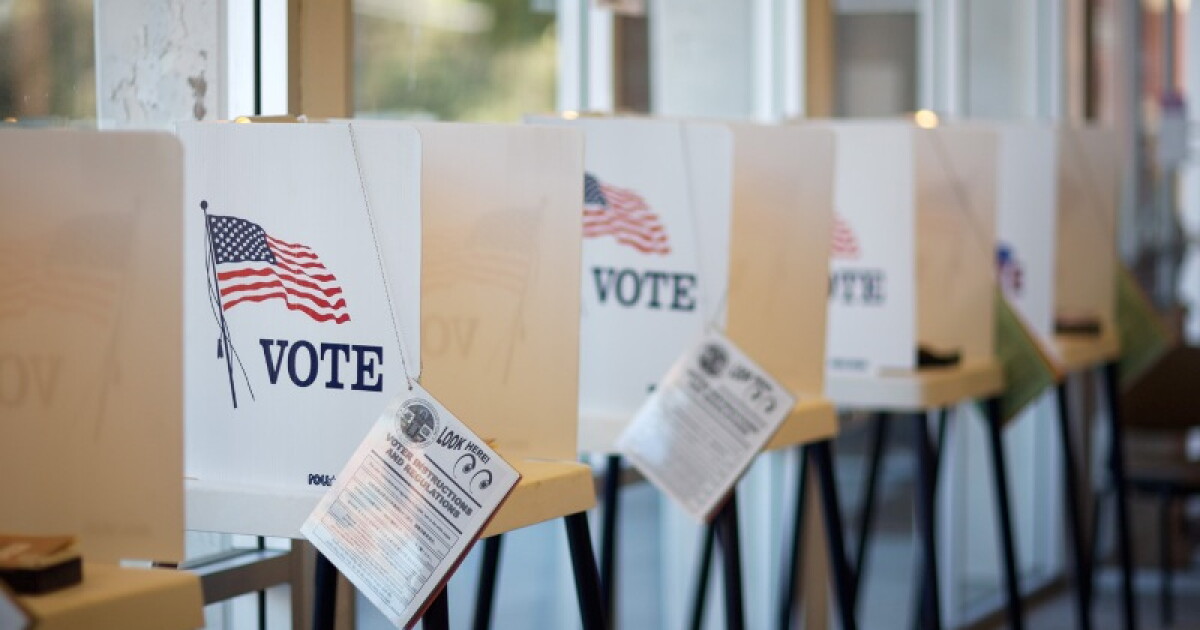
Facebook Bluesky Twitter LinkedIn Email Louisville mayoral and Metro Council races are nonpartisan, affecting which information is on the ballot and excluding them from straight-ticket voting. Louisville residents will soon decide who their next mayor will be and, for the first time since merger, a Republican will not be on the ballot. This year marks the first round of mayoral and Metro Council elections under a state mandate that those offices be officially nonpartisan. That means candidates will not have a party affiliation next to their names on the ballot. The mandate doesn’t stop the candidates from identifying with a party or putting other sorts of political labels on themselves. Louisville Mayor Craig Greenberg ran for office four years ago as a Democrat, defeating Republican Bill Dieruf in the General Election. His opponent this time around, Shameka Parrish-Wright, is a progressive Metro Council member who’s been endorsed by the local Democratic Socialists of America chapter.
This excerpt comes from the named source. Read the original for the full reporting.
Read the original at Louisville Public Media