Local
What Security Guards Can and Can't Do Legally
Meet in Common connects news with real conversations. Use ThinkMatch to arrange a Roundtable and meet people to discuss this story.
Source: USA Daily News 24
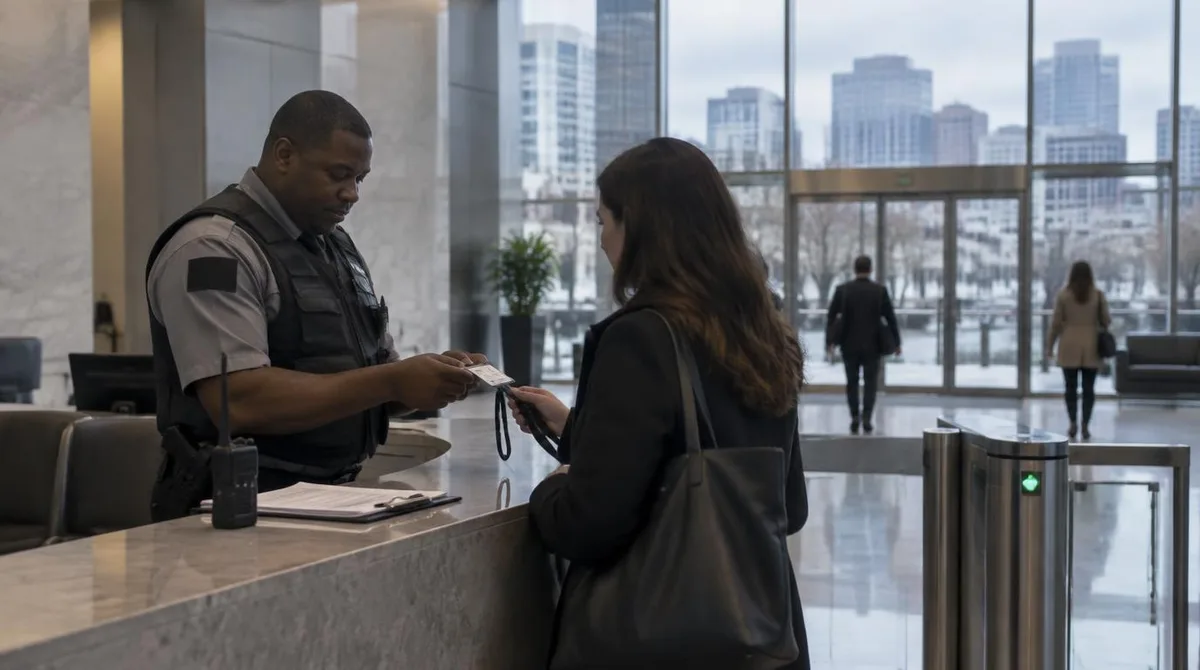
A security guard is a private employee whose legal authority comes from two places: state law and the property owner's rules. A guard is not a police officer. That single distinction answers most of the question of what can a security guard legally do — and what happens when a guard oversteps is usually a civil or criminal matter against the guard and the employer, not an official act. The practical picture is narrower than the uniform suggests. Guards can observe, report, ask questions, and ask someone to leave private property. They generally cannot arrest in the police sense, cannot search a person or a bag without consent, and cannot use force except to defend themselves or others, or in limited cases to hold someone for police. The details shift from state to state, which is why this explainer stays general and points to the rules that actually govern. The industry itself draws the line between private guarding and public response clearly.
This excerpt comes from the named source. Read the original for the full reporting.
Read the original at USA Daily News 24