Local
What the Posse Comitatus Act Does and Doesn't Prohibit
Meet in Common connects news with real conversations. Use ThinkMatch to arrange a Roundtable and meet people to discuss this story.
Source: USA Daily News 24
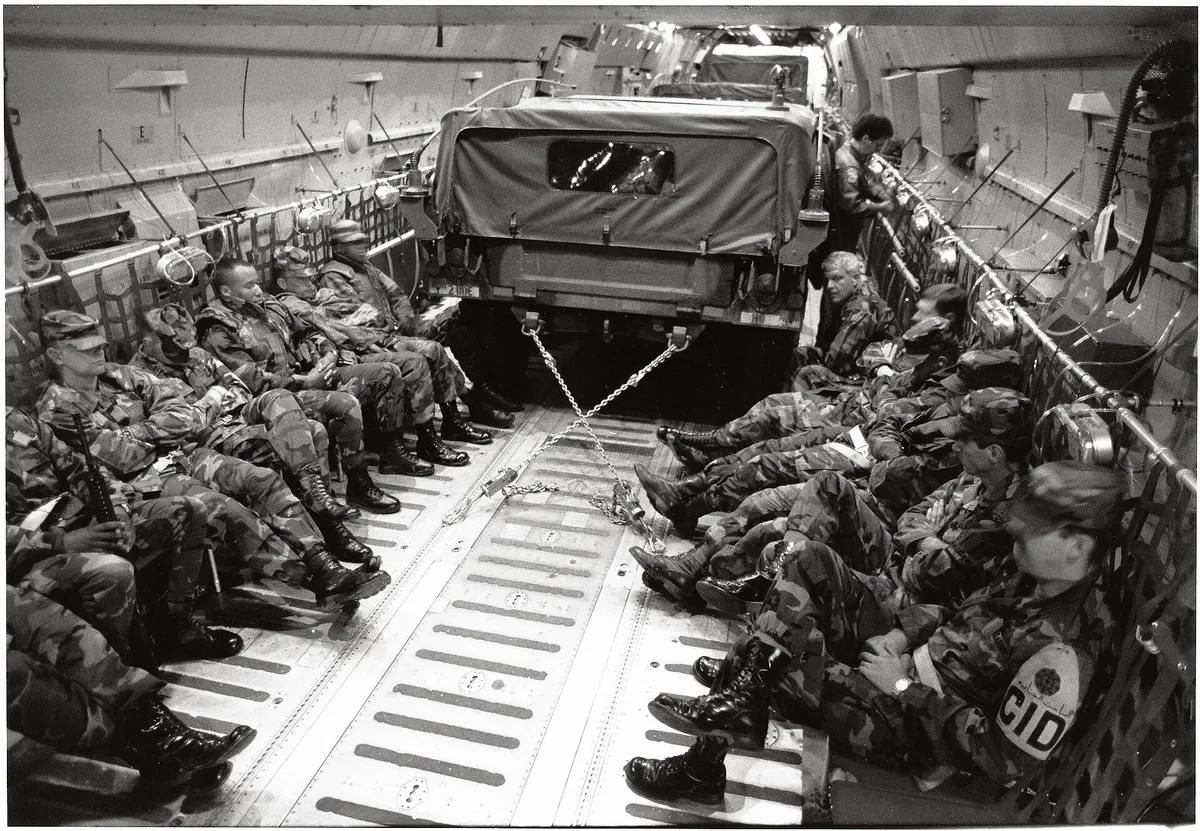
The Posse Comitatus Act is a federal statute that bars the use of the US military to execute domestic laws unless the Constitution or an act of Congress says otherwise. In plain terms: soldiers are not supposed to act as police officers on American streets. The rule is not absolute. Congress built exceptions into it, and presidents hold a separate statutory power — the Insurrection Act — that can override it entirely. Understanding the Act means understanding both halves: the prohibition and the gaps. The gaps are not loopholes someone found. They are written into the law itself, and they matter whenever a debate arises about troops, protests, border enforcement, or disaster response. This piece walks through what the Act covers, what it leaves out, and where the Insurrection Act fits in. The name itself is a history lesson.
This excerpt comes from the named source. Read the original for the full reporting.
Read the original at USA Daily News 24