Local
What to know about the Army’s planned Wednesday detonation of lead explosives in Iowa
A Roundtable is a way to meet new people and discuss this article in person at a local coffee shop or other venue.
Roundtables are designed for groups of four, with a shared subject and room for everyone to speak. Come for discussion, with no dating expectation.
Source: Capitol News Illinois

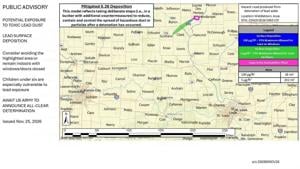
UPDATE: Trump says he told the Army to postpone the detonation; Illinois still preparing for Wednesday As of 12:30 p.m. Monday, President Donald Trump said he will defer to a federal appeals court on whether to proceed with detonating degraded bomb-making material at an Iowa ammunition plant. Later Monday, a federal appeals court cleared the way for the detonation to happen. The Army, however, had not issued an updated advisory as of Monday evening. The detonation of 68 barrels of lead azide was initially set for Friday and postponed until Wednesday. The Army has changed the date three times due to public concern about health and environmental effects. Environmentalists sued to stop the detonation, winning a stay from the appeals court. Trump said he prefers to handle the material quickly, but his post said he has ordered the military to wait for court approval and agreement from incoming Democratic Gov.-elect Rob Sand.
This excerpt comes from the named source. Read the original for the full reporting.
Read the original at Capitol News Illinois