Local
Where Do We Go From Here?
A Roundtable is a way to meet new people and discuss this article in person at a local coffee shop or other venue.
Roundtables are designed for groups of four, with a shared subject and room for everyone to speak. Come for discussion, with no dating expectation.
Source: The Chicago Maroon
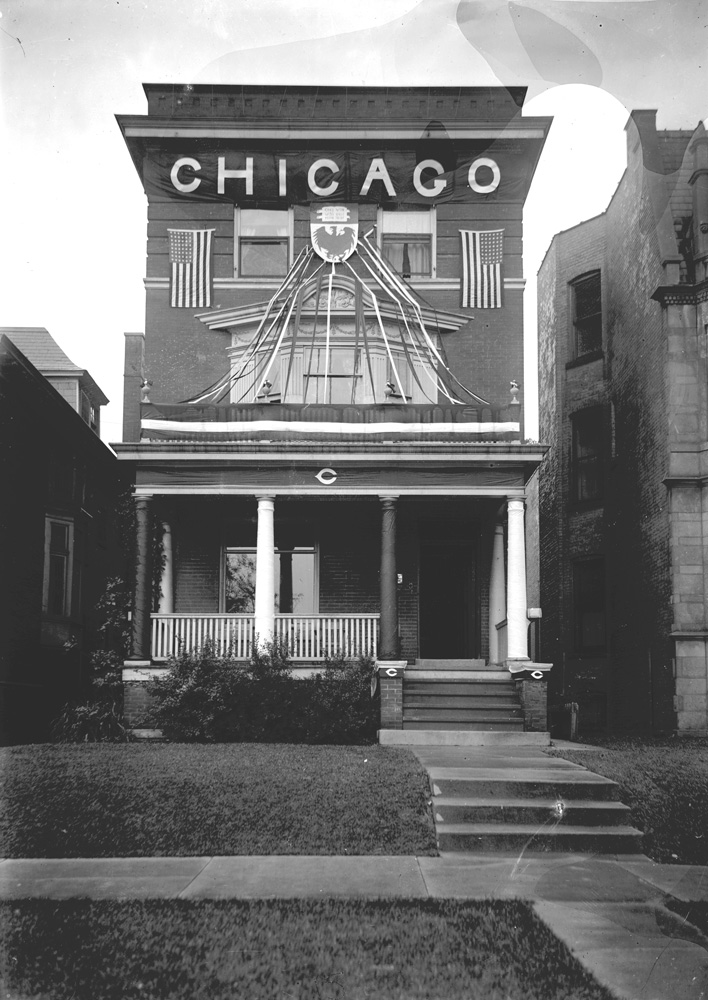
Fraternities at UChicago and across the country have been at the center of public discourse after a series of recent widely reported sexual assaults. At UChicago’s chapter of Alpha Epsilon Pi (AEPi), a 21-year-old non-student said last month that she was assaulted in the bathroom at a party. Just a week later, a 19-year-old non-student filed a lawsuit alleging that she was assaulted by a fraternity member—and may have been drugged—at Alpha Delta Phi (Alpha Delt) in February. AEPi and Alpha Delt have since been prevented from holding social events by their national councils, which oversee general operations, provide insurance, and set risk management standards for the Chicago chapters. Amid all of this, University administrators have remained steadfast in their pronouncements that fraternities are not affiliated with the University, and that only the individuals directly involved may be subject to disciplinary action.
This excerpt comes from the named source. Read the original for the full reporting.
Read the original at The Chicago Maroon


