Local
Where locals actually eat: Miami dining off the strip
Meet in Common connects news with real conversations. Use ThinkMatch to arrange a Roundtable and meet people to discuss this story.
Source: Miami in News
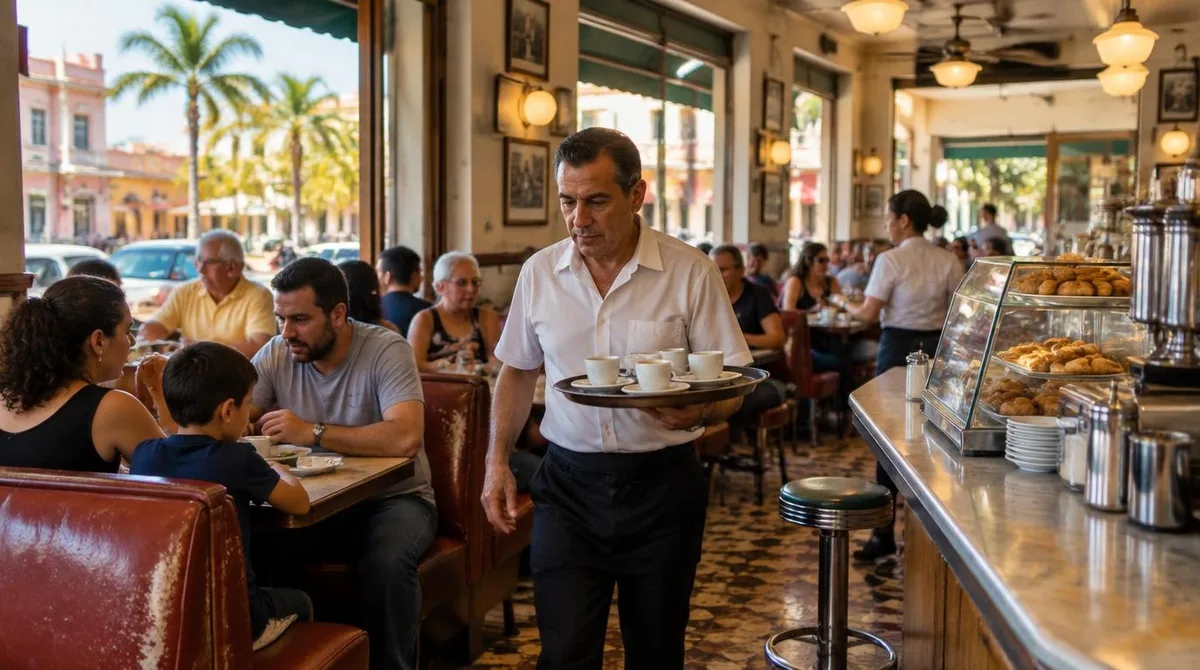
Miami dining has a public face and a private one. The public face sits along the water, where dinner checks stretch long and the view is baked into the bill. The private one runs through Little Havana and out along the Miami River, in rooms where families have ordered the same plates for decades. If you want to eat the way the city eats, skip the strip and head inland. Two of the anchors sit on the same street: Versailles, which opened on Calle Ocho in 1971, and El Rey de las Fritas, which followed in 1979, according to each restaurant's own site. The third anchor, Garcia's, runs a fish market and grill on the Miami River, and its family trade there dates to 1966. For related coverage, see How Miami Spice actually works in 2026: dates, prices, and what's included. What does Calle Ocho still do best? It does Cuban counter food better than anywhere else in the city, and it does it on one street.
This excerpt comes from the named source. Read the original for the full reporting.
Read the original at Miami in News