Local
WHERE THE BLUE WAVE BREAKS
A Roundtable is a way to meet new people and discuss this article in person at a local coffee shop or other venue.
Roundtables are designed for groups of four, with a shared subject and room for everyone to speak. Come for discussion, with no dating expectation.
Source: Boulder Weekly
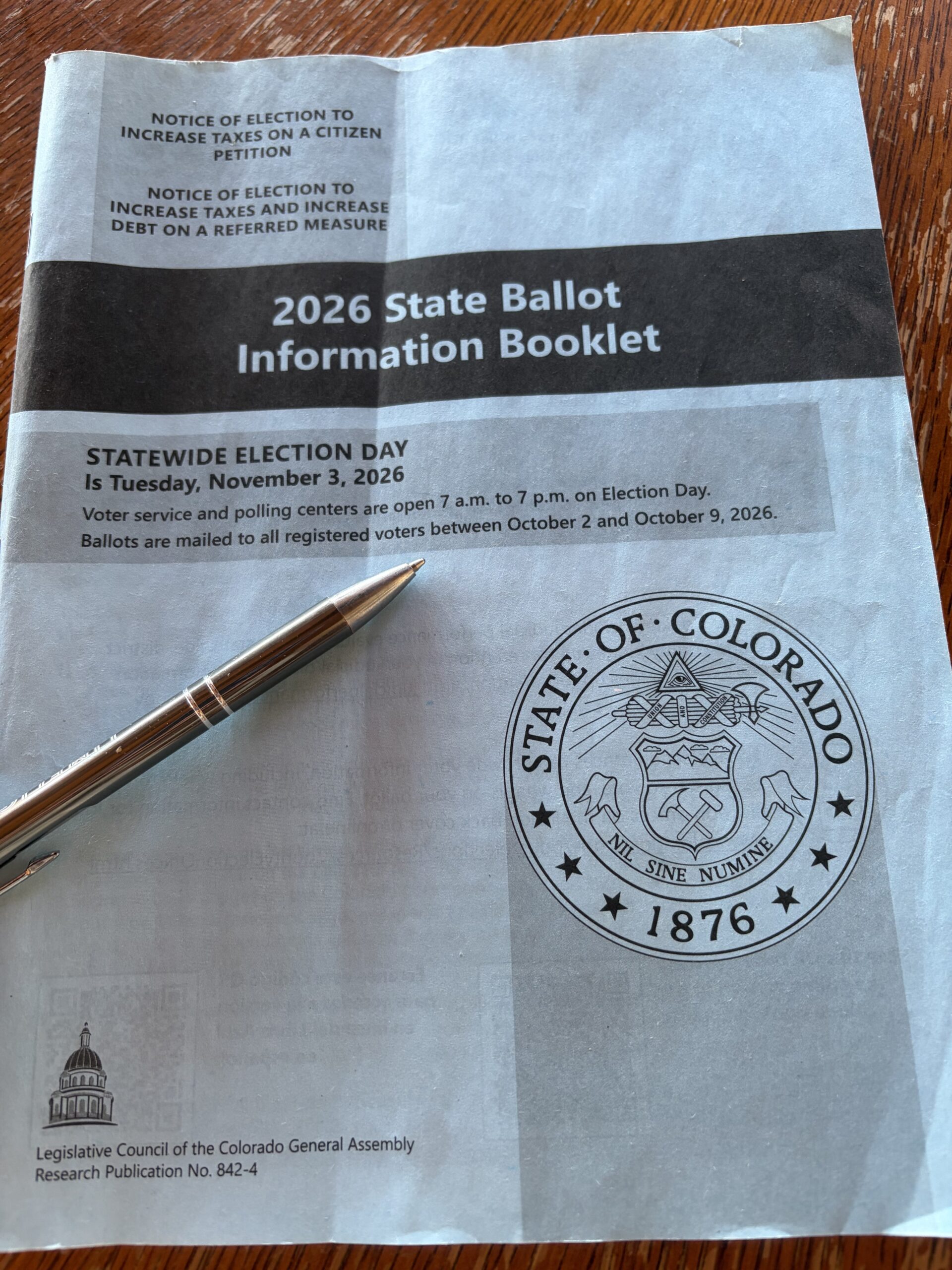
On a night of historic progressive wins, why did Colorado also pass two anti-trans ballot measures? By Cecelia Thorn Boulder Weekly On election night, the nationwide blue wave included Colorado, which flipped seats in longtime Republican-held districts and even passed the most progressive fiscal policy our state has ever seen. At the same time, Colorado also passed two ballot measures restricting the rights of transgender people. This combination has been puzzling to both casual observers and seasoned politicos alike. Ian Silverii is a longtime strategist who was the General Consultant on the Yes on 87 campaign, which has been celebrating Colorado passing the progressive tax measure despite the millions spent by dark money groups trying to defeat it. A few days after the election, Silverii spoke to us while he was building out virtual maps, trying to analyze these complicated results.
This excerpt comes from the named source. Read the original for the full reporting.
Read the original at Boulder Weekly