Local
Where to find unique gifts and shop small in Long Beach
A Roundtable is a way to meet new people and discuss this article in person at a local coffee shop or other venue.
Roundtables are designed for groups of four, with a shared subject and room for everyone to speak. Come for discussion, with no dating expectation.
Source: Long Beach Post
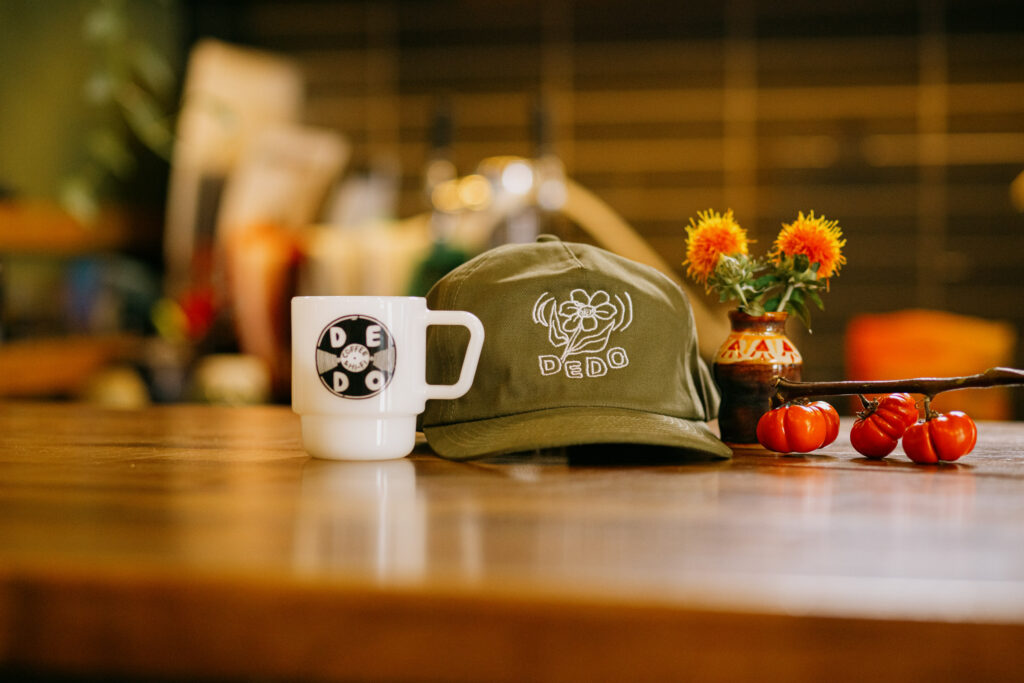
Black Friday may be big—reigniting flashbacks of long lines and stampedes for the season’s hottest gets. But Saturday is for small businesses. And in Long Beach, local shops offer deals, discounts, and one-of-a-kind items that make gift-giving more special and a little less mass-produced. The Downtown Long Beach Alliance is even offering a free shuttle service provided by DRIVER to transport shoppers from all corners of Downtown. They have also created a map of participating shops and vendors in Downtown. There will also be free metered parking all day on Saturday in Downtown Long Beach, south of 10th Street, including The Pike, and in all of Belmont Shore — including their five public parking lots. Below is a list of small businesses and artisans in the Long Beach area participating in Small Business Saturday. Dedo Coffee Dedo Coffee will feature discounted merchandise, including t-shirts, hats, and mugs, seasonal candles, and will give away free stickers with purchase.
This excerpt comes from the named source. Read the original for the full reporting.
Read the original at Long Beach Post


