Local
White Bear Lake teacher hopes readers take away that differences make us unique
A Roundtable is a way to meet new people and discuss this article in person at a local coffee shop or other venue.
Roundtables are designed for groups of four, with a shared subject and room for everyone to speak. Come for discussion, with no dating expectation.
Source: Press Publications
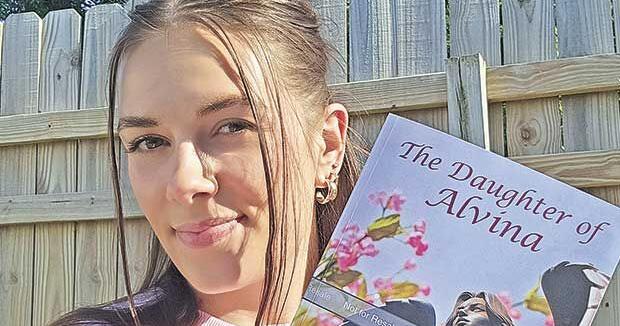
For Josephine Borchert, writing a fantasy novel began with a very real question: Why me? The sixth grade language arts and Advancement Via Individual Determination (AVID) teacher at White Bear Lake Area Schools turned that question into the foundation for “The Daughter of Alvina,” her first published work. The novel, the first in the fantasy series “The Fallacies of Elvira,” follows Teyana Alvina, a young princess who is branded as cursed after a mysterious ceremony leaves her without the powers and wings expected of members of her royal family. Now in her third year of teaching in White Bear Lake, Borchert is balancing her work in the classroom with her career as an author. Drawing on her experiences as an English major, teacher and writer, she hopes her story will encourage young readers to embrace what makes them different, trust themselves and recognize that mistakes are part of growing.
This excerpt comes from the named source. Read the original for the full reporting.
Read the original at Press Publications