Local
Why a historic structure is rising from Shasta Reservoir again
A Roundtable is a way to meet new people and discuss this article in person at a local coffee shop or other venue.
Roundtables are designed for groups of four, with a shared subject and room for everyone to speak. Come for discussion, with no dating expectation.
Source: Action News Now
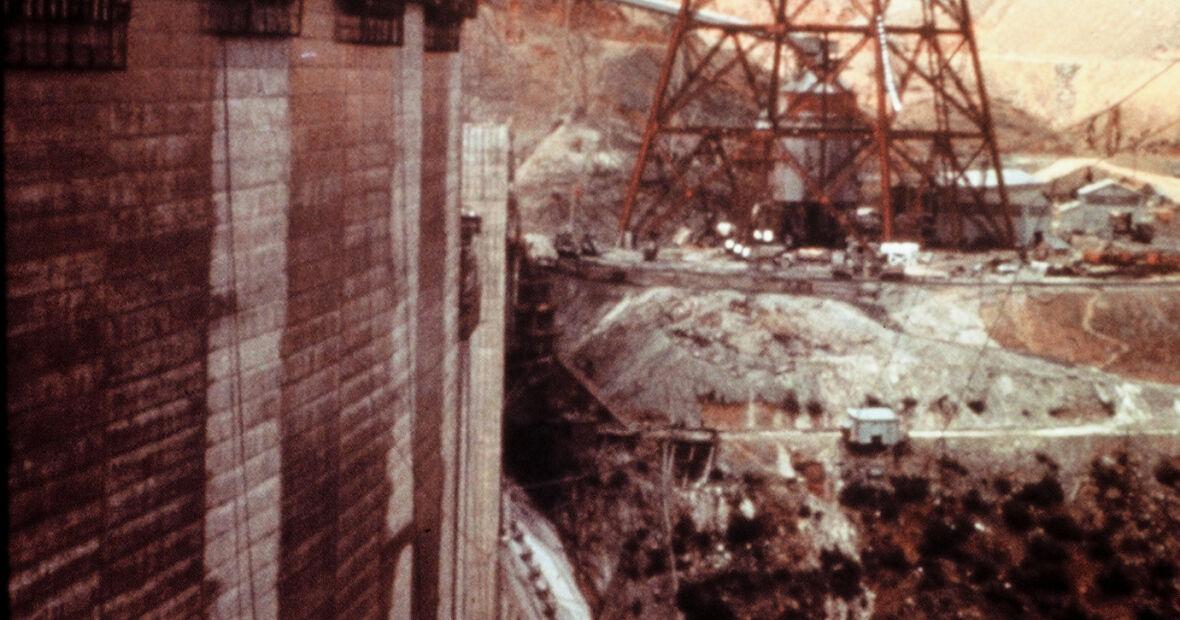
SHASTA LAKE, Calif. — A historic landmark from the construction of one of California's largest public works projects is rising from the depths of a local reservoir. Water management officials report that falling lake levels have revealed the remains of the main construction tower used to build the Shasta Dam more than 80 years ago. The steel framework, located in Shasta Lake, has emerged for the first time since 2022. The tower begins to show when the reservoir falls to 90 feet below full pool. Currently, the reservoir is just more than 94 feet below full pool, which is about 95% of its historical average. "Fluctuating lake levels are part of the normal operations at Shasta Reservoir," said Tom Patton, a hydrologic engineer for Reclamation's Central Valley Operations. "The primary purpose of Shasta Reservoir is to store water in the winter and deliver it to other parts of the state throughout the rest of the year." Construction of the 602-foot-tall dam began in 1938 and ended in 1945.
This excerpt comes from the named source. Read the original for the full reporting.
Read the original at Action News Now


