Local
“Why care?”
A Roundtable is a way to meet new people and discuss this article in person at a local coffee shop or other venue.
Roundtables are designed for groups of four, with a shared subject and room for everyone to speak. Come for discussion, with no dating expectation.
Source: The Stanford Review
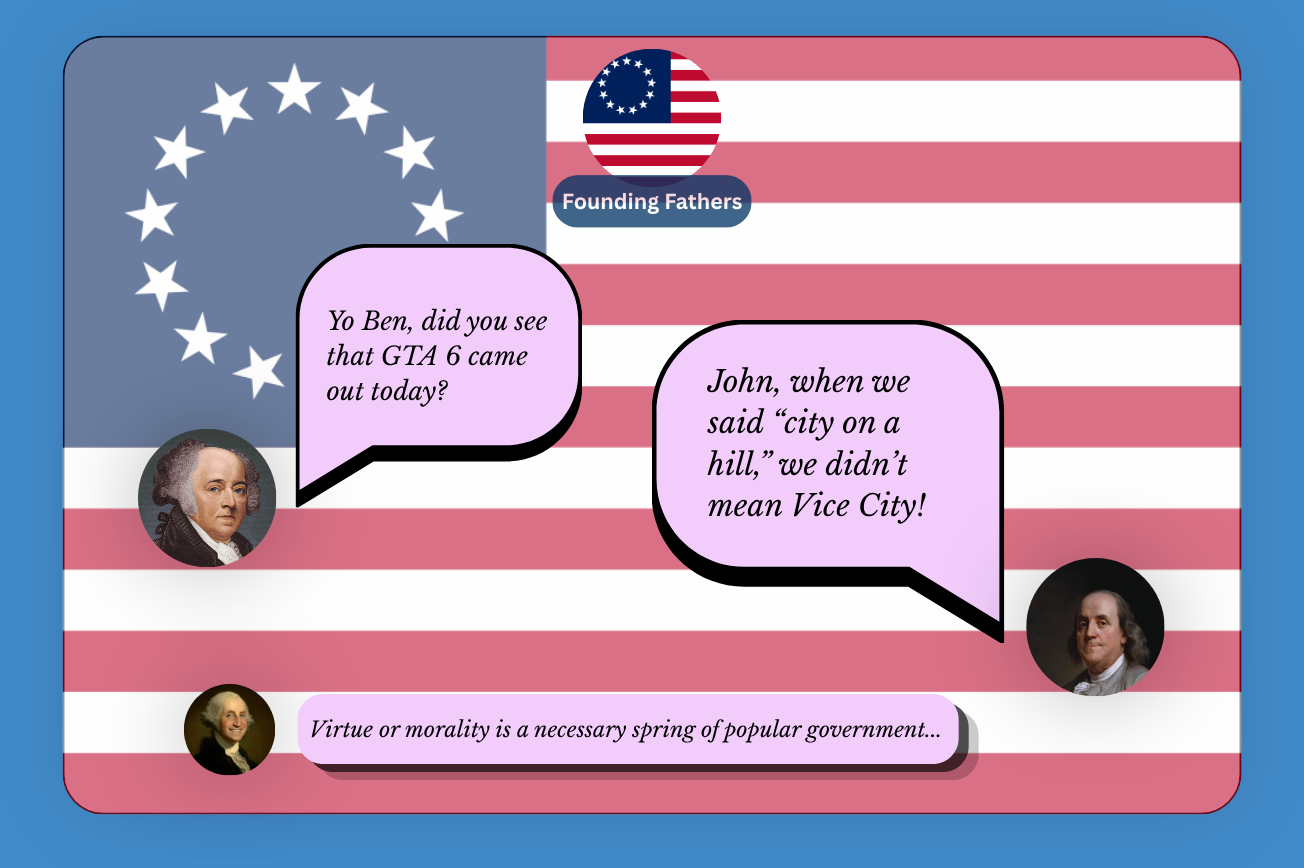
“Why do you even care?” is the average Stanford student’s pre-recorded retort awaiting any person who doesn’t shut up and grovel at the ostentatious knees of Sex Week, the pole dancing club, or questionable guest lecturers. To be fair, it is, at face value, a reasonable question. Why should I care about something I’m not directly forced to engage with? After all, these things don’t physically touch me (thankfully). That is, until one realizes that we all care deeply about things that don’t directly affect us. We care, for instance, about distant future generations who will inherit our planet even though their lives won’t affect ours. We care about human rights abuses across the world even if they are intangible. We care about antisemitic and racial slurs used in private group chats. If we accept that private speech can propagate harmful social norms even when no individual is directly injured, then we already recognize that private actions have broader social consequences.
This excerpt comes from the named source. Read the original for the full reporting.
Read the original at The Stanford Review