Local
Why Jet Engines Burn Hotter Every Generation: Turbine Materials and Cooling Explained
A Roundtable is a way to meet new people and discuss this article in person at a local coffee shop or other venue.
Roundtables are designed for groups of four, with a shared subject and room for everyone to speak. Come for discussion, with no dating expectation.
Source: Agla News
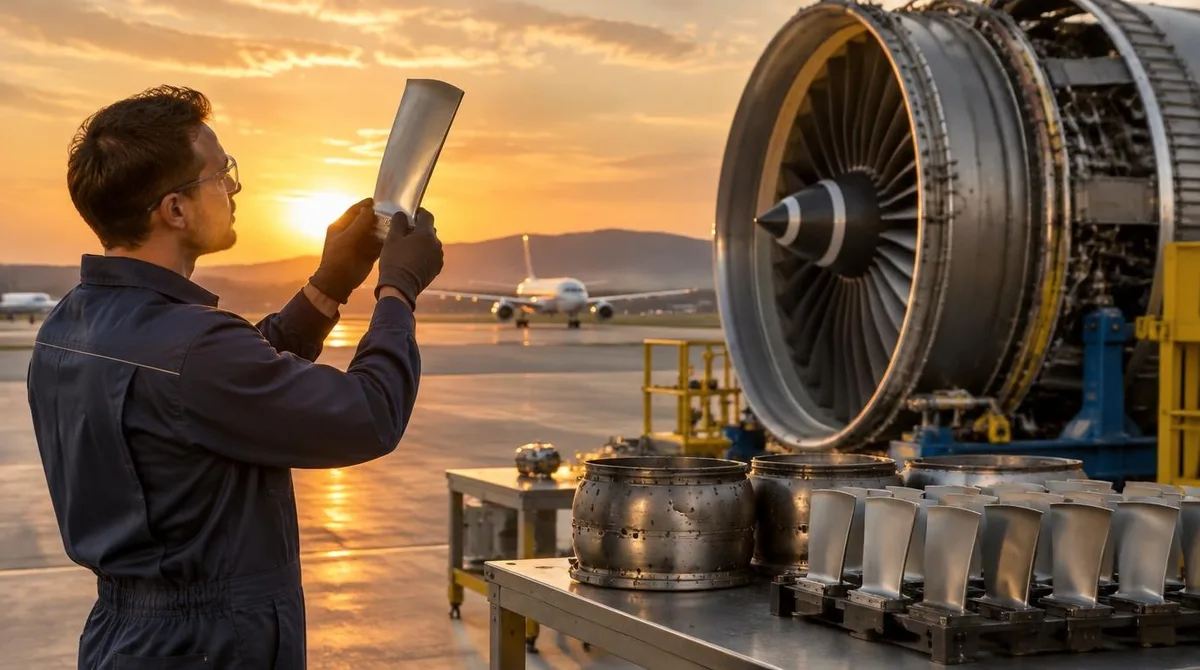
Every new generation of jet engine runs hotter than the last. That is not a design flaw. It is the whole point. Hotter gas squeezes more work out of every drop of fuel. The catch is that metal melts. The story of modern engines is therefore a story of materials and cooling. Superalloys, single crystals, films of cool air, and ceramic skins all let blades live in gas hotter than their own melting point. Heat Is Efficiency An engine's fuel burn depends mostly on two things. One is the pressure from its compressor. The other is the heat of the gas that reaches the first row of turbine blades, according to Wikipedia's jet engine overview. The hotter the gas, the more energy the turbine can take back. The engine burns less fuel for the same thrust. This is why designers keep raising the heat. A cooler engine is simpler and safer, but it throws away performance. Much of a modern turbofan exists to manage that trade.
This excerpt comes from the named source. Read the original for the full reporting.
Read the original at Agla News