Local
Why King Charles Won’t Apologize for Slavery
Meet in Common connects news with real conversations. Use ThinkMatch to arrange a Roundtable and meet people to discuss this story.
Source: Fair Observer
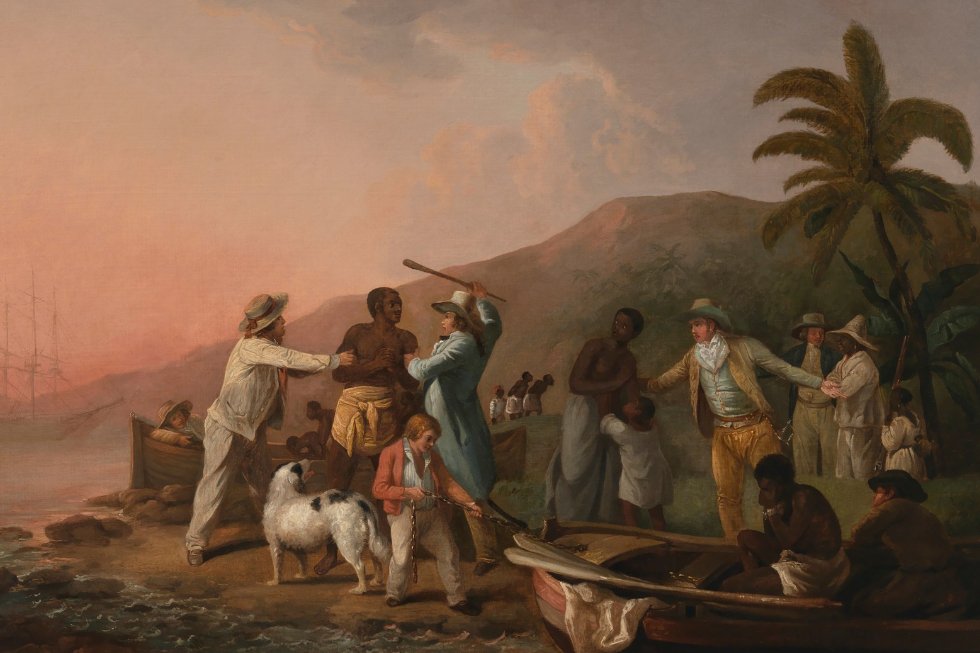
In 1783, Lord Mansfield, England’s Lord Chief Justice, ruled on the Zong case, named after the ship that cast 142 enslaved Africans overboard and then submitted a claim on cargo insurance. Mansfield effectively had to answer the question, “Can human beings be cargo?” In the event, Mansfield ordered another trial and so avoided confronting a moral issue at the heart of slavery. It sounds grotesque today, of course. But the fact that England’s most senior judge bore the task of addressing it suggests how differently the world seemed, or actually was, to Europeans in the 18th century, the peak period for the transatlantic trade in humanity. Wrongdoings of the past During his recent Caribbean tour, King Charles III faced a question redolent of slavery, racism and the absolute primacy of whiteness. He didn’t directly answer nor even engage with it, and seemed adept at evading it when asked in several different ways.
This excerpt comes from the named source. Read the original for the full reporting.
Read the original at Fair Observer


