Local
Why not you? NCTA Entrepreneurship students challenged to create opportunity in their hometowns
A Roundtable is a way to meet new people and discuss this article in person at a local coffee shop or other venue.
Roundtables are designed for groups of four, with a shared subject and room for everyone to speak. Come for discussion, with no dating expectation.
Source: Rural Radio Network
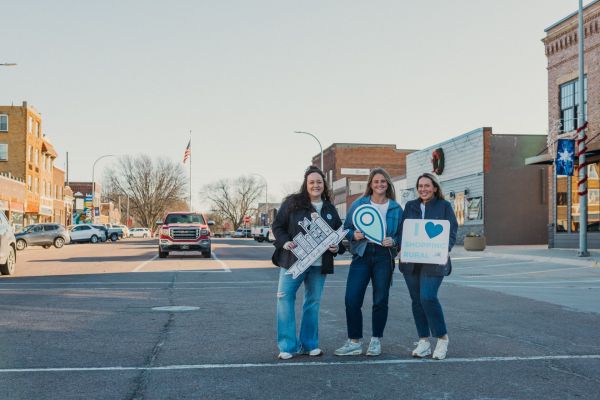
CURTIS, Neb. — When you look at your hometown and think there is nothing to do, consider a different question: What could you do to change that? That challenge was at the heart of Melissa Nelson’s message to students in Reagan Cavanaugh’s Entrepreneurship class at the Nebraska College of Technical Agriculture. Rather than waiting for someone else to open a business, organize an event or bring people together, Nelson encouraged students to see themselves as the people who can make those things happen. “If you want cool things to happen in your small town, you have to do cool things in your small town,” Nelson told students. A Nebraska native, University of Nebraska–Lincoln graduate, farmer and entrepreneur now living in Iowa, Nelson shared how that philosophy helped turn a simple shopping trip idea into an event supporting businesses throughout nearby rural communities. Nelson and her friends initially imagined gathering people on buses to shop at local businesses.
This excerpt comes from the named source. Read the original for the full reporting.
Read the original at Rural Radio Network