Local
Why the Insurrection Act’s Broadest Trigger Should Be Read Narrowly
A Roundtable is a way to meet new people and discuss this article in person at a local coffee shop or other venue.
Roundtables are designed for groups of four, with a shared subject and room for everyone to speak. Come for discussion, with no dating expectation.
Source: Just Security
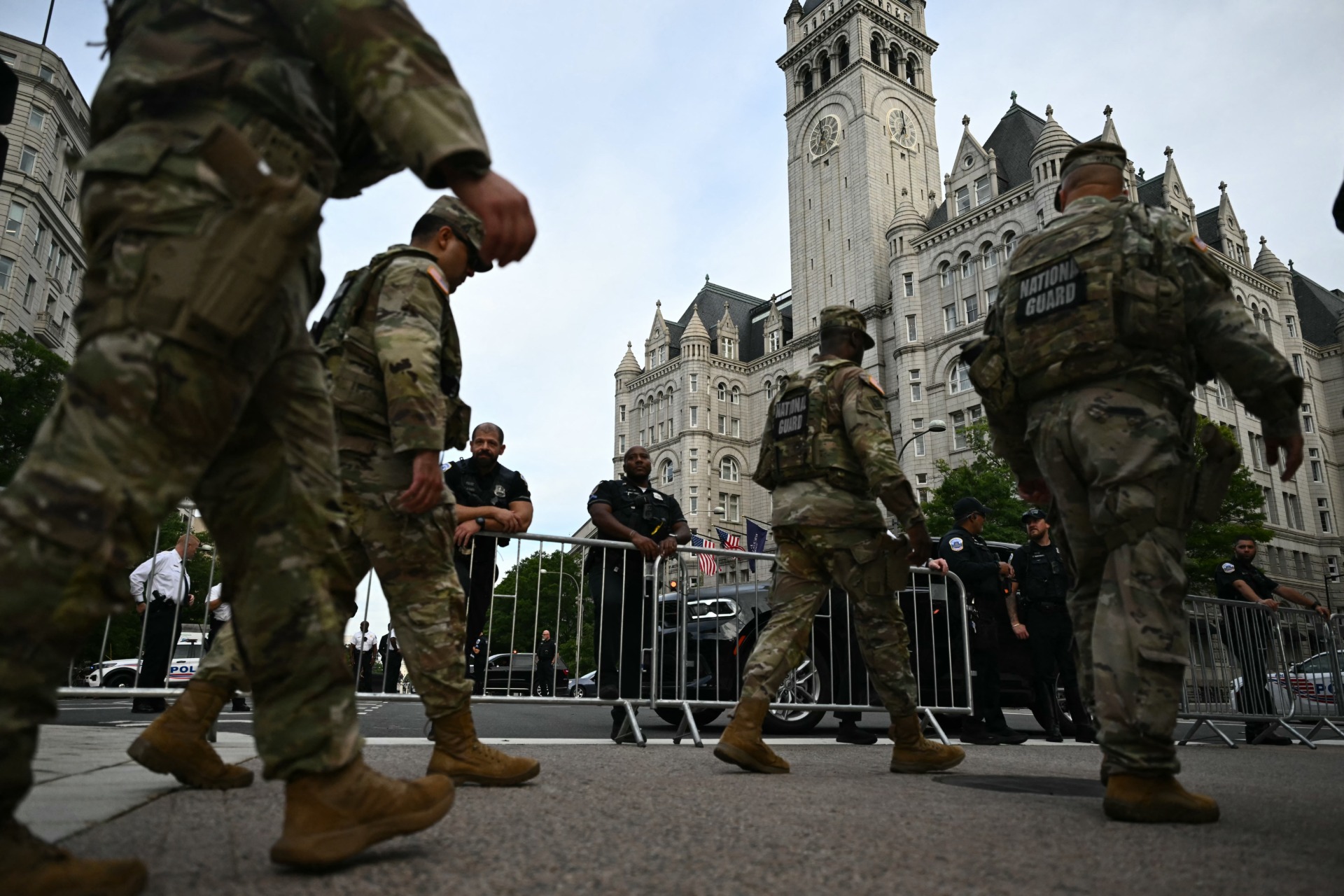
By Joshua Braver and Anuj DesaiPublished on November 25, 2026The Insurrection Act is the most powerful statute that sets the conditions, or “triggers,” for when a president may deploy the military domestically, including for law enforcement. The conventional wisdom is that these triggers are so broad as to be almost meaningless. In the words of Bob Bauer and Jack Goldsmith, “The Act has extremely broad and vaguely worded triggers for its use and thus affords a president the widest conceivable discretion.” General Mark Milley, then-chairman of the Joint Chiefs of Staff, put it even more bluntly in testimony to the January 6th Commission: “There’s no law that says the military is the last resort. . . . You go back to the Insurrection Act. All the President has to do is walk outside the White House and yell three times, . . . ‘Insurrectionists, disperse.’” We disagree. The Insurrection Act has four triggers, but three contain language that clearly places significant limits on their use.
This excerpt comes from the named source. Read the original for the full reporting.
Read the original at Just Security