Local
Wildlife has fall traditions, too. Here’s how some of Colorado’s species are preparing for winter.
A Roundtable is a way to meet new people and discuss this article in person at a local coffee shop or other venue.
Roundtables are designed for groups of four, with a shared subject and room for everyone to speak. Come for discussion, with no dating expectation.
Source: Eagle Valley Enterprise
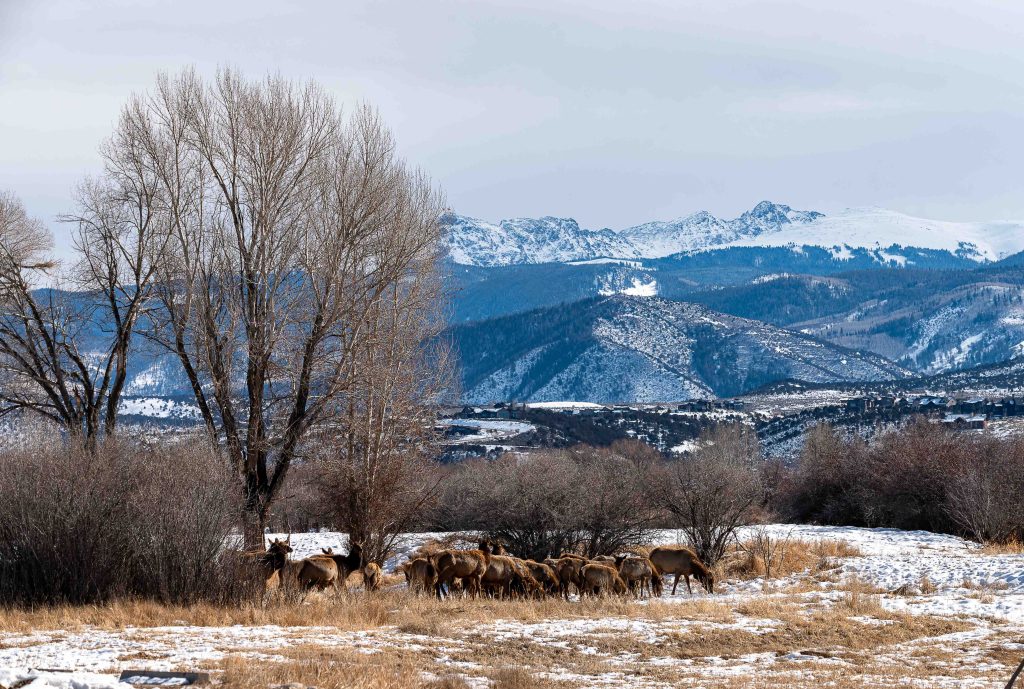
With fall and the holiday season comes a time of transition, reflection and preparation for many. As humans, this can mean transitioning away from summer clothes, winterizing cars, waxing skis and looking back on the past year while setting goals for the new year. For Colorado’s over 960 wildlife species, these tasks may look slightly different. Some animals use the fall season to migrate, while others are hiding food, packing on the calories or just taking time to rest and refuel. Yet these are seasonal traditions just the same, most of which help set them up to survive the winter. November signals a period of rest for Colorado’s moose Colorado is home to a number of ungulate species, with mule deer, elk, moose, pronghorn and bighorn sheep among the most prominent. Several of these are migratory, moving homes as the seasons change. So, as temperatures begin to drop in the fall, species like deer, elk and pronghorn will start to move from higher elevations into lower ones.
This excerpt comes from the named source. Read the original for the full reporting.
Read the original at Eagle Valley Enterprise