Local
'Wildwood,' the 16-year project, is like no other stop-motion film
A Roundtable is a way to meet new people and discuss this article in person at a local coffee shop or other venue.
Roundtables are designed for groups of four, with a shared subject and room for everyone to speak. Come for discussion, with no dating expectation.
Source: The University Daily Kansan
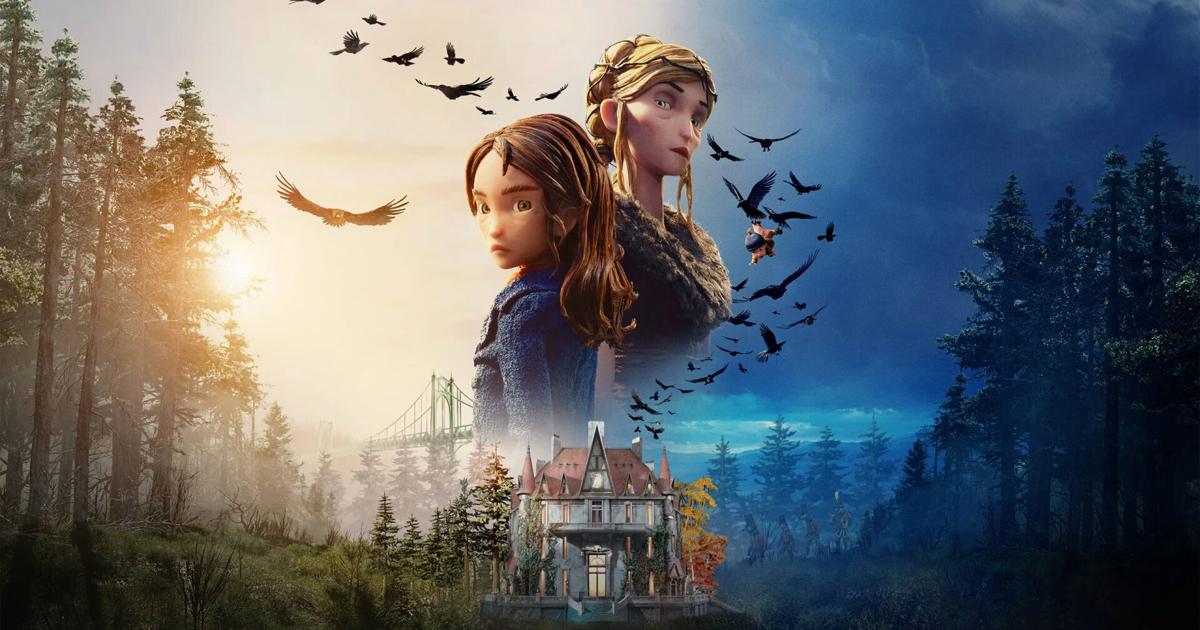
"Wildwood" by Laika Studios is its sixth feature film and the first of its kind, running 2 hours and 10 minutes. Courtesy of Laika Studios Directed by Travis Knight, the fantasy epic “Wildwood” is the longest stop-motion animation film ever made. Each of the 2,804 shots was taken individually by animators and pieced together to make the 2-hour, 10-minute film. Beginning production in 2011 and releasing in theaters in Nov. 2026, this project was created by a devoted crew charged by an unshakable value for human creativity.“You have to see this marvel with your own eyes to believe it exists,” Letterboxd Patron Alex Colemann said.Based on the 2011 fantasy novel by Colin Meloy, “Wildwood” follows Prue, a young girl on a mission to rescue her baby brother after he is taken to a dark forest on the outskirts of their home in Portland, Oregon.
This excerpt comes from the named source. Read the original for the full reporting.
Read the original at The University Daily Kansan