Local
Will Northwest Colorado receive the snow it needs to pull out of storage deficits and drought conditions?
A Roundtable is a way to meet new people and discuss this article in person at a local coffee shop or other venue.
Roundtables are designed for groups of four, with a shared subject and room for everyone to speak. Come for discussion, with no dating expectation.
Source: Eagle Valley Enterprise
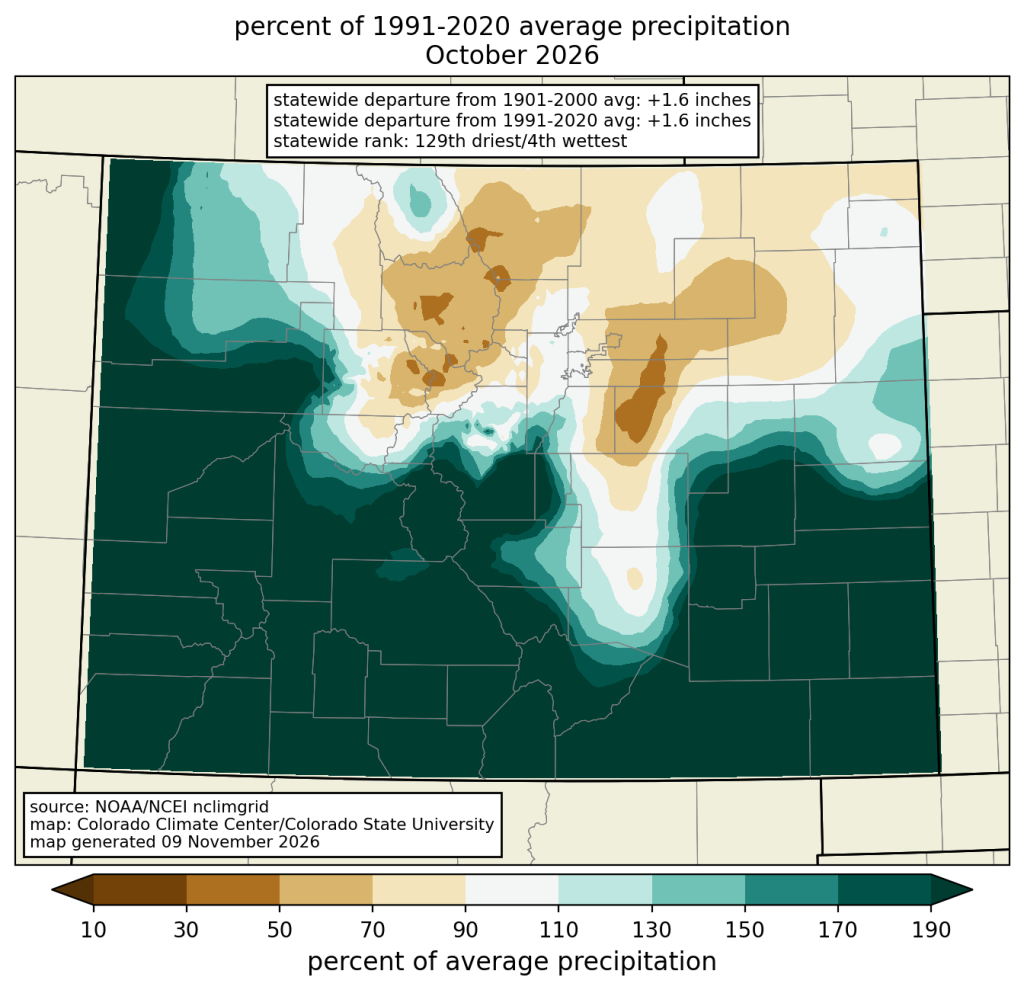
While the start to the 2027 water year has seen El Niño bring significant precipitation to parts of the state, Colorado Assistant State Climatologist Peter Goble said Colorado is “not out of the woods,” as some areas struggle to shake off the impacts of the hottest water year on record. The 2026 water year — running from Oct. 1, 2025 to Sept. 30, 2026 — with a historically-low winter snowpack and record-smashing heat, plunged Colorado into some of the worst drought conditions in the West this summer. By Sept. 29, the U.S. Drought Monitor showed 91% of Colorado experiencing some level of drought, including 10% in “exceptional” drought — the worst measured by the tracker — across the central Western Slope. “Water Year 2027 is off to a very wet start for much of the state,” Goble said Tuesday, Nov. 17 at the Colorado Water Conservation Board’s Water Conditions Monitoring Committee meeting.
This excerpt comes from the named source. Read the original for the full reporting.
Read the original at Eagle Valley Enterprise